Proper insulation is one of the strongest defences your home has against long-term drywall damage. Drywall may look strong on the surface, but it is actually very sensitive to temperature changes, humidity, and hidden moisture inside the walls. Without the right insulation, these factors slowly weaken the drywall, leading to cracks, stains, mold growth, and even structural issues. Good insulation acts like a protective layer, keeping the environment inside your walls stable and preventing damage before it starts.
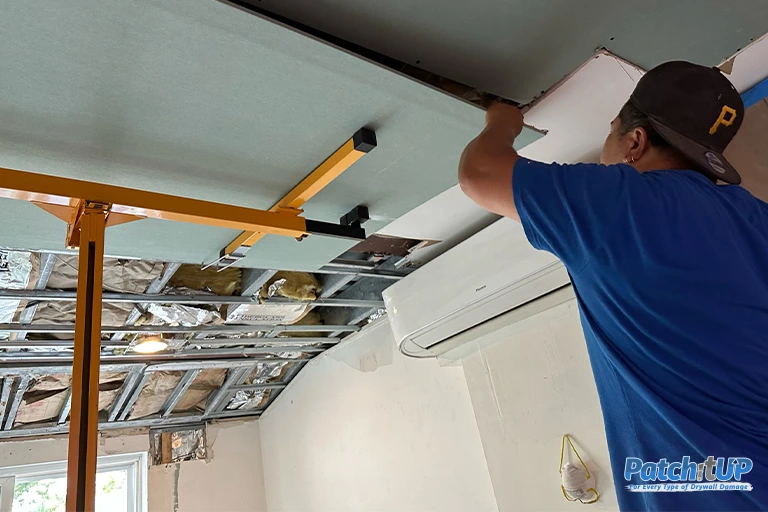
Here is a detailed breakdown of how proper insulation helps protect drywall:
- Maintains steady temperatures: Insulation keeps heat inside during winter and blocks outside heat during summer. When temperature inside the walls stays stable, drywall is not exposed to constant expansion and contraction. This stability prevents fine hairline cracks, gaps around joints, and long-term weakening of the wall surface.
- Stops condensation and hidden moisture: Poor insulation allows warm indoor air to collide with cold wall surfaces. This forms condensation droplets inside the wall cavity, which slowly seep into the drywall. Moisture trapped this way causes discoloration, bubbling paint, soft or spongy drywall, and promotes mold growth. Good insulation reduces temperature differences and keeps the inner surfaces dry.
- Protects plumbing and prevents leaks: Many homes have plumbing pipes that run behind the drywall. Without proper insulation, pipes can freeze during winter or heat up excessively during summer. Frozen pipes can burst and cause severe water damage, while overheated pipes can create pressure problems.
Proper insulation keeps these pipes at a safe, steady temperature, reducing the risk of leaks and water-related drywall damage.
- Reduces mold development: Mold grows quickly when moisture enters the wall cavity. Once mold reaches the drywall, it can weaken its surface, create stains, and impact indoor air quality. Insulation prevents the damp conditions mold needs, protecting both your walls and your health.
- Minimizes noise and vibrations: Good insulation absorbs sound waves and reduces vibration inside walls. While this may not directly damage drywall, it helps maintain stability in older walls and prevents the small movements that can loosen screws, cause cracks in joint compounds, or weaken corner seams over time.
Conclusion:
Overall, proper insulation works on multiple levels to protect drywall by stabilizing temperatures, preventing moisture build-up, safeguarding plumbing lines, and strengthening the overall structure of your home. Investing in the right insulation not only prevents costly repairs but also keeps your home dry, comfortable, energy-efficient, and structurally sound for many years.
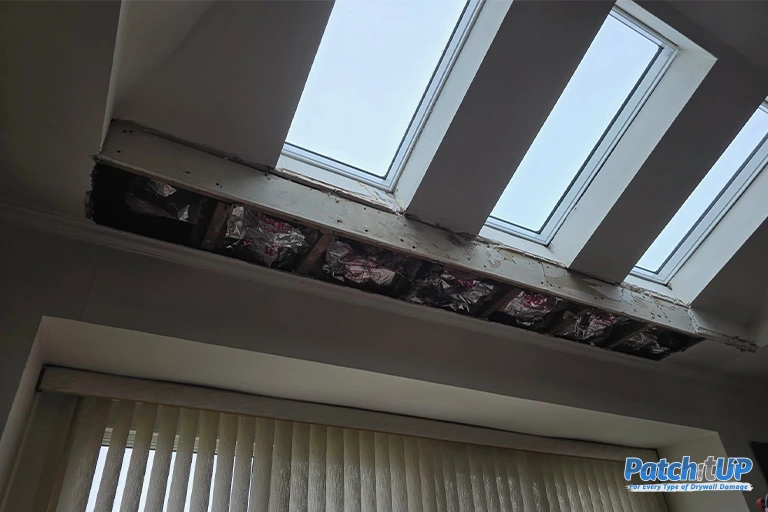
FAQ for How Proper Insulation Can Prevent Drywall Damage in Your Home! :
Q1: How to properly insulate a home?
A. Use the right insulation material for walls, attic, and floors, seal all gaps, add weatherstrips to doors and windows, and ensure even coverage.
What are the safety precautions for insulation?
A. Wear gloves, masks, and goggles, avoid touching fiberglass directly, keep insulation away from electrical sources, and ensure proper ventilation while working.
What is good insulation for a house?
A. Fiberglass, spray foam, cellulose, and rigid foam boards are commonly used because they control temperature well and reduce energy loss.
Why is it important to have proper insulation?
A. Proper insulation keeps the home warm, prevents moisture and mold, reduces energy bills, protects drywall, and improves overall comfort and safety.