Cracks in walls are a common problem in older homes, especially in places like Lansdale, where many houses have been standing for decades. Many homeowners try quick fixes, but the cracks often return after a few months. This can feel frustrating and confusing. The truth is, most cracks recur because the underlying issue causing the damage was never properly addressed. Professional wall crack repair focuses on finding and fixing the root cause instead of only covering the surface damage.
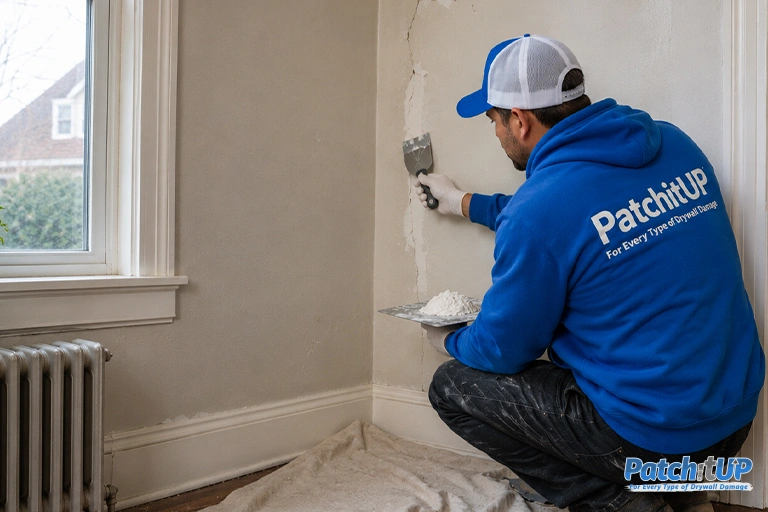
Let’s understand why happens and what you can do about it.
1. The Real Cause Was Not Fixed
One of the biggest reasons cracks come back is that the repair only covered the surface. Many homeowners or contractors simply fill the crack with plaster or putty. While this improves the look, it does not solve the root issue.
Common hidden causes include:
- Foundation movement
- Soil shifting
- Moisture damage
- Structural stress
If the base problem is still there, the crack will return. This is why professional wall crack repair should always start with proper inspection.
2. Natural Settling of Old Homes
Older homes naturally settle over time. This is called house settling, and it can cause small cracks in walls and ceilings. While some settling is normal, repeated or widening cracks may mean deeper structural issues.
If repairs are done without considering this movement, the new material can crack again. Our experienced professionals from PatchitUP understand how to handle old house wall cracks by using flexible and long-lasting repair methods.
3. Poor Quality Repair Materials
Not all repair materials are made the same. Using low-quality fillers or the wrong type of plaster can lead to quick failure. These materials may not handle temperature changes or slight wall movement.
For lasting results, it’s important to use:
- High-quality joint compounds
- Crack-resistant fillers
- Proper bonding agents
This is where skilled professionals, like the team at PatchitUP, can make a difference by choosing the right materials for durable wall repair.
4. Moisture and Water Damage
Moisture is one of the biggest enemies of walls. If there is a leak, dampness, or poor drainage around your home, cracks can reappear quickly.
Signs of moisture-related cracks:
- Peeling paint
- Soft or swollen walls
- Mold or mildew
Before repairing cracks, the water damage issue must be fixed. Otherwise, the repair will fail again.
5. Temperature Changes and Expansion
Walls expand and contract due to temperature changes. In areas with seasonal weather shifts, this movement can reopen repaired cracks.
This is why flexible crack repair solutions are important. Simple rigid fillers may not last long because they cannot handle movement.
6. Poor Repair Techniques
Even with good materials, improper repair techniques can lead to failure. Some common mistakes include:
- Not cleaning the crack properly
- Skipping primer or bonding agents
- Applying uneven layers
- Rushing the drying process
Professional services from PatchitUP focus on proper step-by-step methods to ensure long-lasting wall crack repair, reducing the chances of cracks returning.
7. Structural Problems
Sometimes cracks are not just cosmetic. They can be a sign of deeper structural issues like:
- Weak foundation
- Damaged load-bearing walls
- Shifting support beams
In such cases, simple patching is not enough. A more detailed repair plan is needed. Ignoring these problems can make cracks worse over time.
How to Prevent Cracks from Coming Back
To avoid repeated repairs, follow these simple steps:
- Identify and fix the root cause
- Use high-quality materials
- Address moisture problems early
- Hire professionals for proper inspection
- Choose flexible repair solutions for old homes
Working with experts from PatchitUP ensures that your wall crack problems are handled correctly the first time, saving you time and money.
Final Thoughts
Cracks in old house walls are not just a surface problem. When repairs fail, it usually means the real issue was ignored. Whether it’s foundation movement, moisture damage, or poor repair work, understanding the cause is key to a permanent fix.
Instead of repeating quick fixes, it’s better to invest in proper solutions. With the right approach and professional help from PatchitUP services, you can achieve long-lasting wall crack repairs and keep your home safe and looking good for years.
FAQ:
Old House Walls in Lansdale Cracking Again? Wall Crack Repair Guide
Is it normal for walls to crack in an old house?
A. Yes, small cracks are normal in old houses due to natural settling and aging materials.
How to fix a crack that keeps reappearing?
A. Fix the root cause first (like moisture or foundation issues), then use strong, flexible materials for repair.
When to worry about cracks in house walls?
A. Worry if cracks are wide, growing, diagonal, or near doors/windows, or if you see water damage.
How much cracking is normal in an old household?
A. Hairline cracks are normal, but large or spreading cracks are not and should be checked.