Drywall Hacks: Noise in the home can be frustrating, whether it comes from neighbours, traffic, loud appliances, or even other rooms in your house. While complete soundproofing might seem complicated or expensive, a few brilliant Drywall Hacks can make a big difference. Standard drywall offers basic sound reduction, but with some clever Drywall Hacks, like adding extra layers, using soundproof drywall, or sealing gaps, you can significantly improve your home’s quietness—without major renovations.
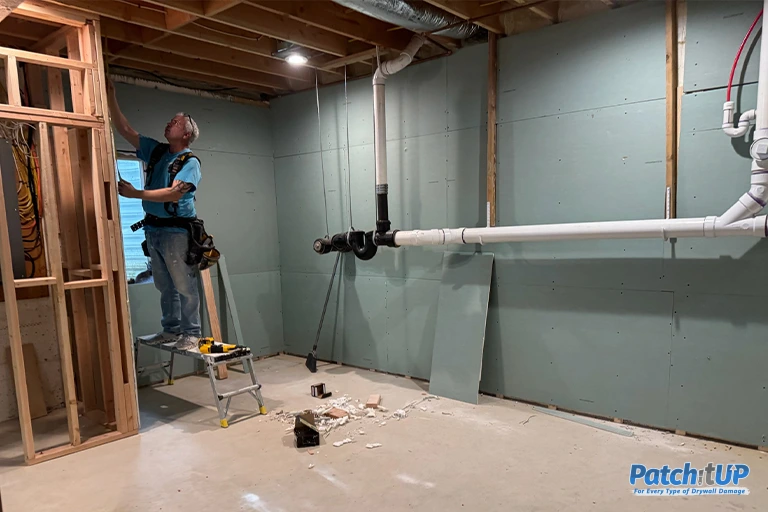
How Sound Travels Through Drywall
Sound moves through vibrations, traveling along walls, ceilings, and floors. Regular drywall blocks some sound, but it is not very effective on its own, especially thin or single-layer walls. Soundproofing focuses on three main strategies: absorbing sound, dampening vibrations, and blocking noise from passing through. Understanding this helps you choose the best drywall solutions for your home.
Effective Drywall Hacks for Soundproofing
1. Install Extra Layers of Drywall
Adding a second or third layer of drywall adds mass to your walls, making it harder for sound to pass through. For even better results, use a damping compound like Green Glue between layers. This compound absorbs vibrations and prevents noise from traveling through the wall. Homes with high-traffic areas or noisy neighbors benefit most from multiple layers of drywall.
2. Use Soundproofing Drywall
Soundproofing drywall is denser and often includes specialized cores that block more noise than standard drywall. These panels can reduce sound transmission by up to 50%, making them a smart choice for bedrooms, home offices, or media rooms. They are slightly more expensive but save time and effort compared to layering standard drywall.
3. Seal Gaps and Cracks
Even tiny gaps around electrical outlets, baseboards, windows, and door frames allow sound to leak through. Using acoustical sealant or caulking around these areas ensures that your walls perform as intended. Skipping this step can drastically reduce the effectiveness of your soundproofing efforts.
4. Install Resilient Channels
Resilient channels are thin metal strips that separate drywall from wall studs. This separation prevents vibrations from traveling directly through the wall structure, greatly reducing sound transmission. They are especially useful for ceilings or walls shared with noisy rooms.
5. Add Insulation Behind Drywall
Insulating the wall cavities with materials such as fiberglass, mineral wool, or spray foam absorbs sound before it reaches the drywall. This method is especially effective for interior walls, shared walls between apartments, or rooms with heavy foot traffic above. Insulation also improves energy efficiency while reducing noise.
6. Consider Mass Loaded Vinyl (MLV)
Mass Loaded Vinyl is a dense, flexible material that can be added behind drywall or on top of existing walls. It acts as a sound barrier, blocking sound waves from passing through walls. MLV is thin, so it doesn’t take up much space, making it a practical solution for homeowners who want strong soundproofing without major remodeling.
7. Upgrade Doors and Windows
Even the best Drywall Hacks won’t deliver full results if sound leaks through doors and windows. Solid-core doors block more noise than hollow-core options, while double-glazed or acoustic windows help prevent outside sounds from entering. To maximise your home’s soundproofing, make sure every gap and opening is sealed correctly—because even small leaks can undo the quiet you’ve worked hard to create.
The Benefits of Soundproofing Your Drywall
- Privacy: Reduces noise between rooms and from neighbors.
- Comfort: Creates a quieter, more relaxing home environment.
- Concentration: Ideal for home offices, study areas, or creative spaces.
- Property Value: Homes with good soundproofing are more attractive to buyers and renters.
Professional Help Can Make a Difference
While DIY drywall soundproofing is possible, professional contractors can maximize results. They can assess problem areas, install resilient channels, apply damping compounds correctly, and ensure insulation is effective. Consulting a professional ensures your efforts aren’t wasted and helps prevent common mistakes like improperly sealed gaps or incorrectly layered drywall.
Final Thoughts
Soundproofing your home doesn’t have to mean a full renovation. With a few smart Drywall Hacks—such as adding extra layers, soundproofing panels, insulation, resilient channels, and proper sealing—you can significantly reduce unwanted noise. Bringing in professionals ensures maximum effectiveness, providing you with a quieter and more comfortable living space. With these simple yet powerful Drywall Hacks, your home can truly become a peaceful retreat, even in the noisiest neighbourhoods.

FAQ For Soundproofing Secrets: Drywall Hacks You Haven’t Tried Yet
- How to soundproof a drywall?
A. Add mass with extra drywall layers, use soundproofing panels, or install insulation inside the wall.
- Does soundproof drywall really work?
A. Yes, it reduces noise but may not block all sounds completely.
- Does soundproofing increase home value?
A. It can, especially in busy areas or for home offices and studios.
- What is the most effective way to soundproof a drywall?
A. Combine insulation, double drywall, and acoustic sealant for best results.
Related Post:
- Top Myths About Drywall Repair—Busted!
- Peeling Paint on Walls and Ceilings? Causes and Fixes You Need to Know!
- Drywall Repair for First-Time Homeowners: A Beginner’s Guide!