Homes located in areas vulnerable to floods, heavy rainfall, or high humidity often experience recurring wall damage. Standard drywall, made of gypsum sandwiched between paper layers, is not built to resist moisture. When exposed to water, it weakens, warps, and becomes a breeding ground for mold and bacteria. To combat these issues, flood-proof drywall solutions have emerged as durable, long-lasting options for protecting walls and interiors in water-prone homes.
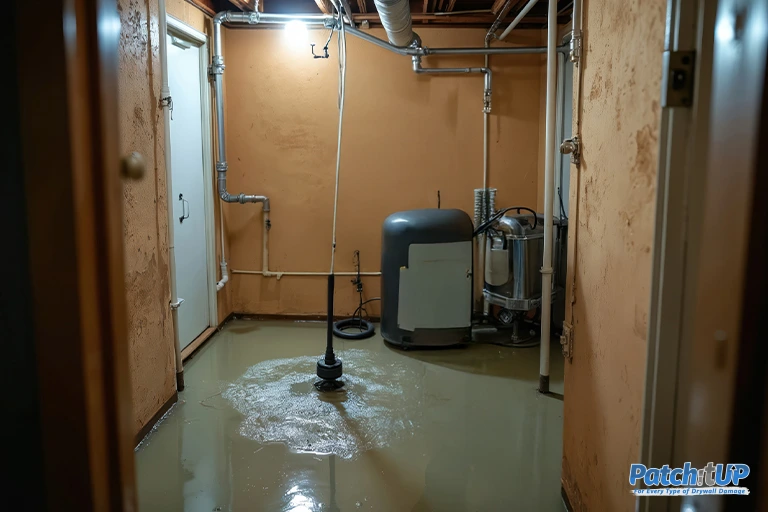
Understanding the Risks of Water Damage
Water intrusion can occur due to leaking roofs, basement flooding, plumbing issues, or poor drainage systems. Once moisture reaches regular drywall, it starts to:
- Soften and crumble, losing structural integrity.
- Encourage mold and mildew growth, causing unpleasant odors and potential health hazards.
- Damage insulation and electrical systems hidden behind walls.
- Increase maintenance costs and reduce the home’s market value.
In flood-prone zones, even minor leaks can escalate into major restoration projects. Therefore, investing in water-resistant building materials early can prevent expensive future repairs.
Types of Flood-Proof Drywall and Their Benefits
- Fiberglass-Faced Drywall
Replaces the traditional paper surface with fiberglass mats that resist water absorption.
- Prevents mold and mildew from spreading because fiberglass does not support microbial growth.
- Retains its shape and strength even after repeated exposure to moisture.
- Ideal for basements, bathrooms, laundry rooms, and kitchens.
- Cement Board (Backer Board)
- Made from a combination of cement and reinforcing fibers, making it non-porous and extremely durable.
- Can withstand continuous water exposure without breaking down or swelling.
- Often used behind tiles or as a lower-wall solution in flood-prone basements and ground floors.
- Heavier and slightly more expensive but offers unmatched resistance to flooding.
- Greenboard and Blueboard
- Feature a moisture-resistant outer layer with water-repellent additives.
- Best suited for areas with occasional humidity but not full water exposure.
- Commonly installed in bathrooms, kitchens, and laundry areas where splashing may occur.
- Water-Resistant Gypsum Panels (WRG)
- Provide enhanced water resistance compared to standard drywall.
- Often paired with anti-microbial coatings or water-resistant primers for better results.
- An affordable option for homeowners who want moderate protection.
- Glass Mat Gypsum Panels
- Use glass mat facers that are highly resistant to mold and moisture.
- Provide strong adhesion for finishing materials and coatings.
- Excellent choice for high-humidity or semi-flood areas like basements and crawl spaces.
Key Installation Practices for Flood-Proof Walls
Installing water-resistant drywall correctly is just as important as choosing the right type. To ensure durability and effectiveness:
- Apply vapor barriers or waterproof membranes behind drywall to block moisture from seeping in.
- Use waterproof sealants at joints, corners, and around fixtures.
- Elevate drywall sheets slightly above the floor (about half an inch) to prevent direct contact with water in case of minor flooding.
- Use mold-resistant primer or paint to create an additional layer of defense.
- Seal plumbing and electrical penetrations to stop moisture from traveling inside walls.
If a home has previously suffered flood damage, it’s best to have the area professionally inspected and dried before installing new drywall. Partnering with expert Drywall Solutions ensures that the affected areas are fully restored, moisture-free, and adequately prepared for durable, long-lasting wall installation.
Professional Assistance and Maintenance
Hiring experienced local drywall installers or flood restoration professionals can make a major difference. They ensure:
- Correct material selection based on flood risk and wall location.
- Precise cutting, sealing, and installation to reduce weak points.
- Integration with other waterproofing measures such as sump pumps, drainage systems, and dehumidifiers.
Routine maintenance also helps. Inspecting for early signs of moisture—like discolouration, bubbling paint, or a musty smell—can help prevent extensive damage. Pairing these regular checks with professional Drywall Solutions ensures any underlying issues are addressed promptly, keeping your walls strong, dry, and protected over time.
Long-Term Benefits of Flood-Proof Drywall
Investing in flood-proof walls is both a protective and financial decision. Benefits include:
- Reduced repair and replacement costs over time.
- Improved indoor air quality by preventing mold and mildew.
- Better insulation performance and stable wall structure.
- Increased property value and longer lifespan for interior finishes.
- Peace of mind during rainy seasons or plumbing emergencies.
Final Thoughts:
Flood-proof drywall offers homeowners a reliable way to protect their walls and maintain a healthy living environment, even in areas with high water exposure. By selecting the right materials—such as fibreglass-faced drywall, cement boards, or glass mat panels—and ensuring proper installation, homeowners can prevent severe water damage and costly repairs. With professional Drywall Solutions, you can ensure the use of the most durable materials and effective waterproofing methods for long-term protection. Combining these materials with good waterproofing practices, expert Drywall Solutions, and regular inspections ensures that your home stays strong, safe, and resilient against flooding for years to come.
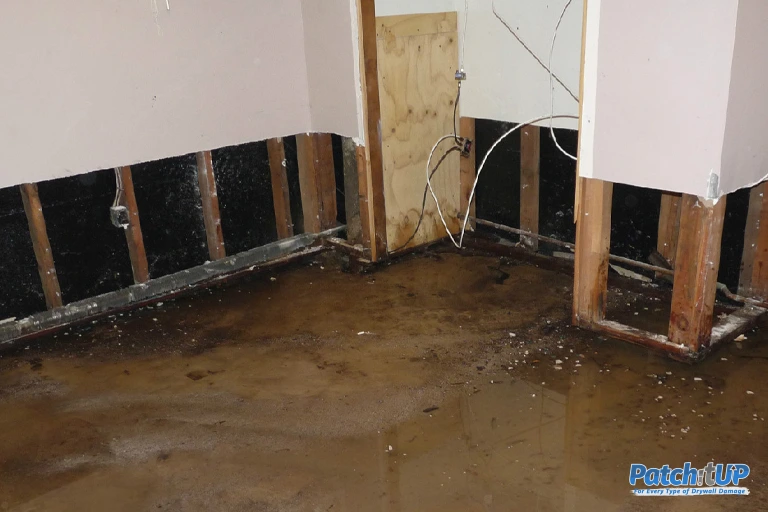
FAQ for Flood-Proof Walls: Drywall Solutions for Water-Prone Homes!:
- What is the flood-proof process?
A. The flood-proof process involves using waterproof materials, sealants, and drainage systems to protect your home from water damage during floods.
- Does the flood-proof process only protect my home once?
A. No, when done correctly, flood-proofing offers long-term protection, but it should be inspected and maintained regularly.
- When should I get flood-proofing installed in my home?
A. It’s best to install flood-proofing before the rainy or storm season or right after you notice water seepage issues.
- Do I have to leave my house during installation?
A. Usually not. Most flood-proof installations are done while you stay at home, though in some cases, you might need to move items or stay out of certain rooms temporarily.
Related Post:
- Common Mistakes in DIY Plaster Repair (And How to Avoid Them!
- Best Tools for Drywall Repair in 2025: What Pros Recommend!
- Why You Should Never Ignore Small Drywall Holes!