


Replace vs Repair Drywall
Drywall damage is something almost every homeowner deals with at some point. Small cracks, dents, holes, or water stains can appear gradually or suddenly. The real challenge is knowing whether a simple repair will solve the problem or if replacing the drywall is the smarter long-term decision.
Many people assume drywall issues are purely cosmetic, but some types of damage can signal deeper problems. Understanding the difference between repairable damage and damage that requires replacement can help you avoid unnecessary expenses and prevent bigger issues later.
PatchitUP provides the best drywall repair services in West Houston, helping homeowners make the right decision based on the actual condition of their walls and ceilings.
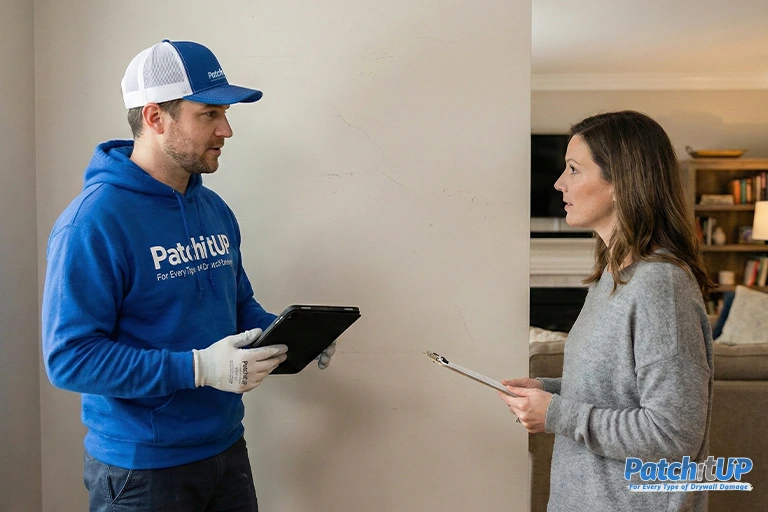
Understanding Common Types of Drywall Damage
Drywall can be damaged in many ways. Some issues are minor and easy to fix, while others require more extensive work.
Typical drywall problems include:
• Small nail holes
• Dents from furniture or door handles
• Hairline cracks
• Medium-sized holes
• Water stains
• Soft or sagging drywall
• Large structural cracks
Each type of damage tells a different story about what is happening behind the surface.
When Drywall Repair Is the Right Choice
In many situations, repairing drywall is faster, more affordable, and completely effective. Repairs work best when the damage is limited and the drywall structure is still strong.
1. Minor Cosmetic Damage
Small drywall imperfections are extremely common in West Houston homes. These issues do not affect the strength of the wall and can usually be fixed quickly.
Examples include:
• Nail or screw holes
• Light dents or scuffs
• Small chips
• Hairline cracks
These types of problems are mostly visual. Professional drywall repair services can patch, sand, and repaint the surface so it looks like new.
PatchitUP offers professional drywall repair services in West Houston for these everyday wall issues, restoring surfaces without major disruption.
2. Medium-Sized Holes or Localized Damage
Not all larger damage requires replacement. Many holes caused by accidental impacts can still be repaired effectively.
Repair is usually suitable when:
• The hole is isolated
• Surrounding drywall is solid
• No moisture damage is present
• The framing behind the wall is intact
Technicians can insert drywall patches, reinforce the area, and blend textures so repairs are nearly invisible.
Professional drywall repair services in West Houston often handle damage from:
• Furniture impacts
• Door knob hits
• Minor remodeling mistakes
• Wall-mounted hardware removal
PatchitUP provides the best drywall repair services in West Houston for these types of repairs, ensuring clean finishes and strong results.
3. Small or Stable Cracks
Cracks may look alarming, but many are harmless and repairable.
Repair works well when cracks are:
• Thin and not widening
• Limited to joints
• Not repeatedly returning
• Not caused by moisture
Simple patching and joint reinforcement can stabilize the surface and restore appearance.
When Drywall Replacement Becomes Necessary
While repair is often sufficient, there are clear situations where replacement is the safer and more practical option.
1. Severe Water Damage
Water is one of drywall’s biggest enemies. Once drywall absorbs moisture, its internal structure weakens.
Replacement is typically needed when you notice:
• Soft or spongy drywall
• Bubbling or swelling
• Large stains
• Crumbling edges
• Musty odors
Water-damaged drywall may also develop mold, which poses health risks and cannot be solved with surface repairs.
Homes in West Houston often face humidity, plumbing leaks, or roof issues. PatchitUP offers professional drywall repair services in West Houston, but also recommends replacement when moisture has compromised the material.
2. Mold Growth
Mold is a serious concern that requires immediate action.
Replacement is necessary when:
• Mold is visible
• Drywall smells musty
• Moisture exposure has been prolonged
Simply patching moldy drywall is not effective. The contaminated material must be removed to prevent spreading.
3. Large or Widespread Damage
When drywall damage extends across a large area, replacement is often more efficient.
Replacement makes sense when:
• Multiple large holes exist
• Entire sections are cracked
• Drywall is sagging
• Repairs would be extensive and costly
Instead of performing several complex patches, replacing a section can produce better long-term results.
PatchitUP provides the best drywall repair services in West Houston and helps homeowners determine when replacement is more economical than repeated repairs.
4. Recurring Structural Cracks
Cracks that repeatedly return may signal deeper issues.
Replacement may be needed if:
• Cracks widen over time
• Repairs fail repeatedly
• Walls show movement
• Doors/windows stick nearby
In such cases, replacing drywall after addressing the root cause ensures a stable finish.
Repair vs Replace: Cost and Value Considerations
Homeowners often focus only on immediate cost, but the smarter approach is to consider long-term value.
Repair Is Usually Better When:
• Damage is small or localized
• Drywall is structurally sound
• No moisture damage exists
• The issue is cosmetic
Repair is quicker, less disruptive, and more budget-friendly.
Replacement Is Smarter When:
• Damage is severe
• Moisture has weakened drywall
• Mold is present
• Repairs would be extensive
• Problems keep returning
Replacement prevents ongoing repairs and hidden issues.
PatchitUP offers professional drywall repair services in West Houston with honest evaluations, ensuring homeowners invest in the right solution.
Why Professional Assessment Matters
Drywall damage is not always as simple as it appears. What looks like a minor stain could indicate hidden leaks. A crack could signal structural movement.
Professional drywall repair services provide:
• Accurate damage evaluation
• Identification of hidden problems
• Proper repair techniques
• Long-lasting solutions
PatchitUP provides the best drywall repair services in West Houston by focusing on both appearance and durability, not just quick fixes.
Final Thoughts
The decision to repair or replace drywall depends on the severity, cause, and extent of the damage. Minor issues are usually repairable, while water damage, mold, and structural problems often require replacement.
Acting early is always the best strategy. Small repairs today can prevent costly replacements tomorrow.
If you are unsure about your drywall condition, PatchitUP offers professional drywall repair services in West Houston, delivering reliable solutions that restore both the look and integrity of your walls and ceilings.
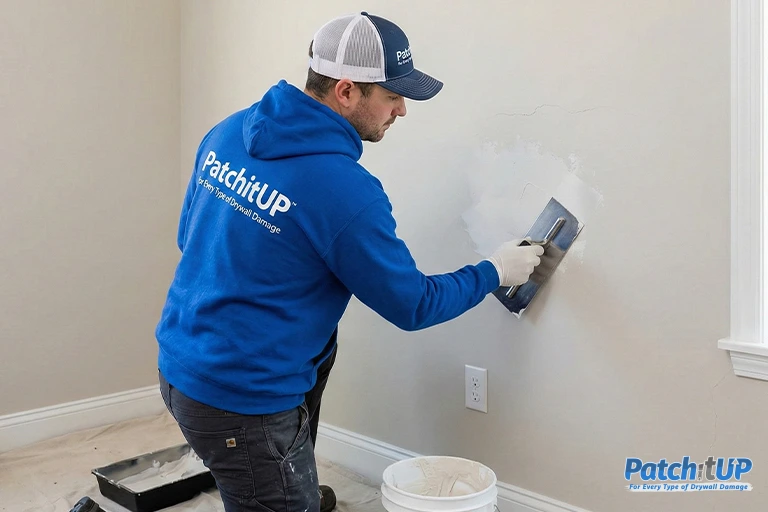
FAQ: When to Replace vs. Repair Drywall? Expert Advice from PatchitUP! :
Is it better to repair or replace drywall?
A. It depends on the damage. Small holes, dents, or cracks can be repaired. Severe water damage, mold, or large broken sections usually need replacement.
How do you know when drywall needs to be replaced?
A. Replace drywall if it is soft, crumbling, sagging, badly stained, or has mold. Large or recurring cracks can also be a sign.
What’s needed to replace drywall?
A. You need new drywall sheets, cutting tools, screws, joint compound, tape, sanding tools, and paint for finishing.
Does old drywall need to be replaced?
A. Not always. If it is still strong and undamaged, it can stay. Replacement is needed if it is weak, damaged, or moldy.
Related Post:
- Ceiling Crack Repair: Causes, Cost & Best Fix Options in Suffolk County!
- Drywall Water Damage Repair: What Homeowners in West Houston Should Know!
- Affordable Drywall Repair Near Me: Cost, Services & When to Hire a Pro!
