Drywall repair is something most homeowners will face at some point, but there are plenty of myths that cause confusion and unnecessary stress. From believing small holes don’t matter to thinking you must replace entire sections of wall, misinformation often leads to wasted time and money. Here’s a detailed look at the most common drywall repair myths—and the truth behind them.
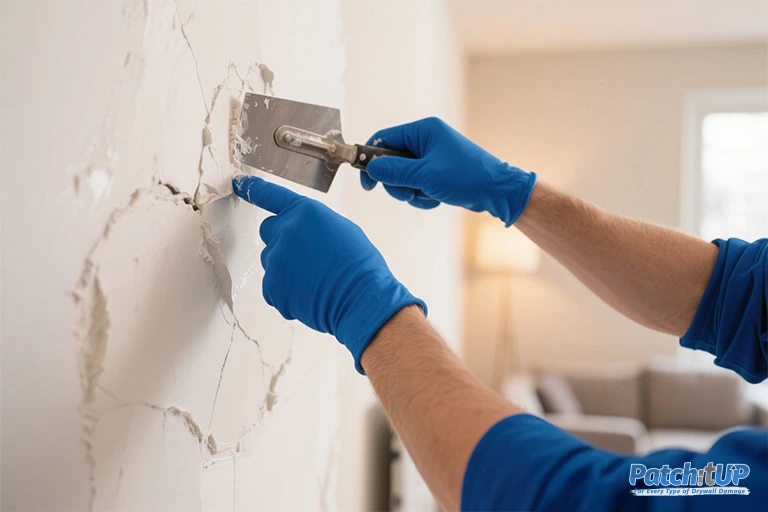
Myth 1: Small Holes Don’t Need Repair
It’s easy to ignore small dents or nail holes, assuming they’re too minor to fix. However, leaving them unattended can lead to bigger issues over time. Even tiny openings allow dust, moisture, and pests to settle in, slowly weakening the drywall surface. Plus, these imperfections make your walls look unkempt and can show through even after painting.
Repairing small holes is simple—use a quality spackling paste, apply it evenly, let it dry, sand it smooth, and then repaint for a seamless finish. Regularly fixing small flaws also helps maintain your home’s value and keeps your walls sturdy and clean-looking.
Myth 2: Any Compound or Filler Will Work
One of the biggest mistakes in drywall repair is using the wrong filler. Wood fillers, plaster, or cement-based compounds may seem strong but are not designed to bond properly with drywall. These materials can crack or flake off over time because drywall expands and contracts slightly with temperature changes.
Always use a dedicated drywall compound or joint compound—they are flexible, smooth, and specifically formulated for this type of surface. Using the right materials ensures your repair lasts longer and blends perfectly with the wall texture.
Myth 3: Drywall Repair Is Only for Professionals
While major damage caused by flooding, large holes, or structural issues might need professional attention, most everyday drywall repairs are completely DIY-friendly. With a little patience and the right tools—like a utility knife, putty knife, patch kit, sandpaper, and compound—you can fix nail holes, dents, and even medium-sized cracks.
Plenty of online tutorials and repair kits make the process simple for beginners. Doing small repairs yourself saves money and helps you become more confident with basic home maintenance.
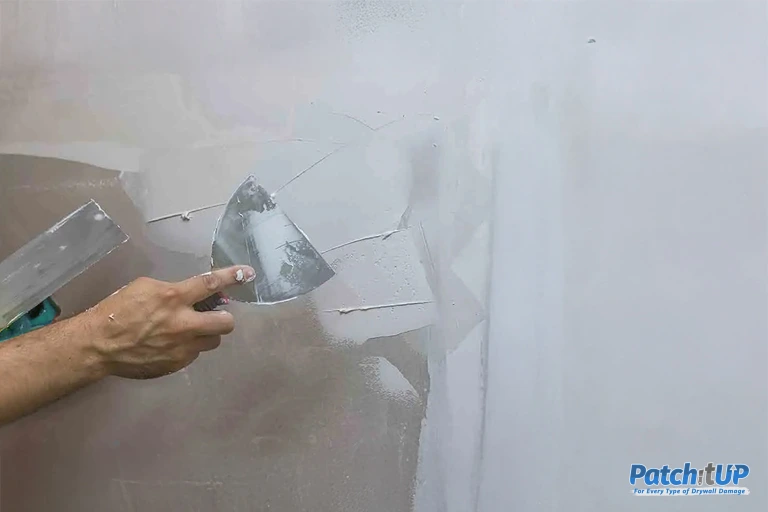
Myth 4: Paint Will Hide Wall Damage
A common misconception is that a fresh coat of paint can hide wall flaws. In reality, paint actually makes imperfections more visible, especially under bright lighting. Cracks, holes, and uneven textures will show through even more once painted. Before painting, it’s crucial to clean the area, apply a suitable patching compound, sand it smooth, and prime it. This extra effort ensures the paint looks even and professional once applied.
Myth 5: It’s Better to Replace Than Repair
Homeowners sometimes think replacing entire drywall panels is the only reliable fix, but that’s rarely true. Full replacements are costly, time-consuming, and unnecessary for most common problems like cracks, screw holes, or small dents.
Unless the drywall is badly water-damaged, moldy, or severely warped, patching and refinishing is the smarter solution. Repairs can restore both the strength and appearance of your wall while saving time and resources.
Myth 6: Drywall Repair Takes Days to Finish
This myth dates back to older materials that needed long drying times. Modern repair products are faster and easier to work with. Quick-drying joint compounds allow you to patch, sand, and repaint within a few hours. Small holes and cracks can often be fully repaired in a single afternoon.
For larger patches, using a heat gun or fan can speed up drying even more. With today’s materials, drywall repair is no longer a drawn-out project—it’s something you can easily fit into a weekend.
Myth 7: Repaired Cracks Always Come Back
If cracks reappear, it usually means the root cause wasn’t fixed. Problems like poor initial repair, moisture damage, or structural shifting can cause recurring cracks. A good repair involves cleaning the damaged area thoroughly, applying joint tape for reinforcement, and using multiple thin layers of compound for a stronger finish.
If the wall is moving because of foundation issues, that must be addressed first. When done correctly, drywall repairs can last for years without re-cracking.
Myth 8: Matching Paint After Repair Is Easy
Even if you have leftover paint from your last project, it might not match perfectly. Paint fades, discolors, and changes slightly over time due to sunlight, humidity, and aging. Applying the same color to just the repaired spot often creates a noticeable patch. To achieve a consistent finish, it’s best to repaint the entire wall or at least the entire section. This approach ensures your wall looks even, fresh, and professional after repair.
Final Thoughts:
Drywall repair doesn’t have to be intimidating, and believing in these myths often leads to unnecessary worry or expense. With the right materials, a little effort, and proper technique, you can easily restore damaged walls and keep your home looking well-maintained. Whether you tackle small patches yourself or call a professional for bigger issues, understanding the truth behind these drywall repair myths ensures smoother, longer-lasting results and walls that look as good as new.
FAQ:
- Can damaged drywall be repaired?
A. Yes, most damaged drywall can be repaired. Small holes, dents, or cracks can be fixed with spackle or joint compound, while larger sections may need patching or replacement.
- Why is drywall repair cracking?
A. Cracks often appear if the repair wasn’t done properly or if the wall moves due to temperature changes, moisture, or foundation shifts. Using joint tape and multiple thin layers of compound helps prevent this.
- How to tell if drywall is damaged?
A. Signs include cracks, holes, soft or bulging spots, discoloration, peeling paint, or mold growth. These indicate physical or moisture damage that needs attention.
- How to prevent drywall damage?
A. Avoid slamming doors, control indoor humidity, fix leaks quickly, and use wall anchors for heavy items. Regular inspection and quick repairs help keep drywall in good shape.
Related Post:
- What Causes Drywall Bulge or Bubble—and How to Fix It!
- Cracks, Dings, and Dents: When Should You Worry About Wall Damage?
- Why You Should Never Ignore Small Drywall Holes!