


After a drywall repair, the wall may look smooth and solid, but the real challenge begins when it’s time to paint. Even a perfectly repaired drywall patch can stand out if the paint match or paint finish is slightly different from the rest of the wall. Getting a seamless, professional-looking result requires careful preparation, accurate paint matching, and proper painting techniques.
Why Paint Matching Is Critical After Drywall Repair
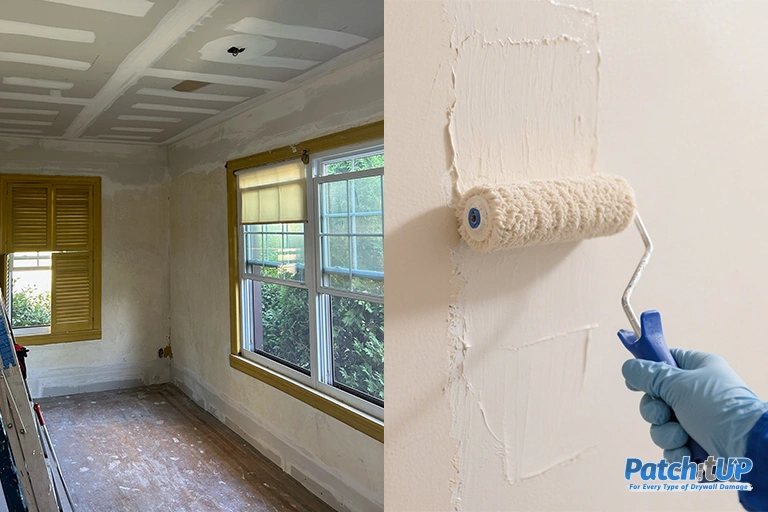
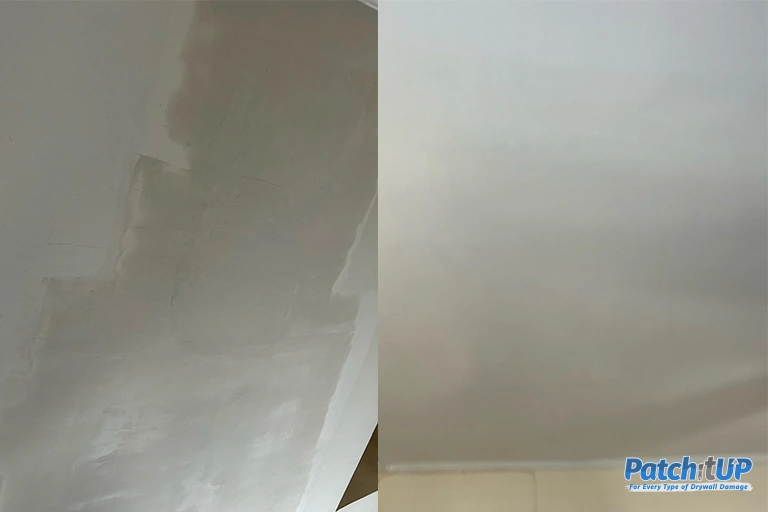
Drywall repairs usually involve joint compound, spackle, or drywall mud. These materials absorb paint differently than existing painted surfaces. If paint is applied directly without proper preparation, the repaired area can appear darker, lighter, or uneven. This is why paint matching is so important after drywall repair. A good paint match helps the repair blend into the wall so it becomes invisible.
Another issue is that older walls often have paint that has faded over time. Even if you use the original paint color, the fresh paint may not look the same. This makes blending and matching even more important.
Surface Preparation: The Foundation of a Smooth Paint Finish
A flawless paint finish starts with proper surface preparation. The repaired area must be sanded until it is completely level with the surrounding wall. Any raised edges, dents, or sanding marks will become noticeable once paint is applied.
After sanding, the surface should be cleaned to remove dust. Dust particles can prevent paint from sticking evenly and may cause a rough paint finish. Once clean, applying a primer is essential. Primer seals the drywall repair and creates a uniform surface, allowing the paint to sit evenly and improving paint match accuracy.
Skipping primer is one of the main reasons patched areas stand out after painting.
How to Achieve the Best Paint Match
The best way to get an accurate paint match is to use the same paint brand, color code, and paint finish that was originally applied. If the original paint is not available, a small sample can be taken from the wall and color-matched at a paint store.
However, even the best paint matching tools cannot always account for aging, lighting, and wear. This is why blending paint into the surrounding area is often more effective than painting only the repaired spot.
Testing the paint match on a small, hidden area and allowing it to dry fully helps confirm whether the color and paint finish are correct.
Matching the Paint Finish Correctly
Paint finish plays a major role in how noticeable a repair will be. Common paint finishes include flat, matte, eggshell, satin, semi-gloss, and gloss. Each finish reflects light differently.
Flat and matte finishes are more forgiving and hide imperfections well. Satin and semi-gloss finishes reflect more light and can highlight even small texture differences. If the paint finish on the repaired area does not match the rest of the wall, the patch will be visible, especially in bright or natural light.
Matching the paint finish is just as important as matching the color.
Blending Paint for a Seamless Look
Blending paint is one of the most effective techniques for hiding drywall repairs. Instead of stopping paint at the edge of the repair, the paint is feathered outward into the surrounding wall. This soft transition helps mask minor differences in color and finish.
In some cases, painting the entire wall from corner to corner is the best solution. This ensures a consistent paint finish and eliminates any paint match issues altogether, especially when dealing with large drywall repairs or glossy paint finishes.
Proper Paint Application Techniques
Using the right tools and techniques improves the final paint finish. The roller nap should match what was originally used on the wall. Using a different roller can change the wall texture and make the repair noticeable.
Paint should be applied in thin, even coats. Heavy coats can create uneven texture, roller marks, or sheen differences. Allow each coat to dry fully before applying the next to maintain consistency.
Brush strokes should be minimized on large wall surfaces, as they can create visible lines in the paint finish.
Common Paint Matching Mistakes to Avoid
One common mistake is painting only the repaired spot without blending. Another is ignoring the paint finish while focusing only on color. Painting before the drywall compound is fully dry can also cause discoloration and uneven results. Rushing the process often leads to a poor paint match.
Using different paint brands or finishes can also result in visible differences, even if the color appears similar.
Final Tips for a Perfect Paint Finish
Always prime repaired drywall before painting. Test the paint match and paint finish under different lighting conditions. Take time to blend the paint into surrounding areas. When in doubt, repainting the entire wall provides the most uniform and professional result.
Final Thoughts:
Paint matching after drywall repair requires patience and attention to detail. Proper surface preparation, accurate paint matching, correct paint finish selection, and smart blending techniques all work together to create a smooth, even, and invisible repair. When done correctly, the wall will look fresh, consistent, and free of any visible signs of repair.
FAQ Paint Matching After Drywall Repair:
- How long to wait to paint after drywall repair?
A. Wait at least 24 hours for small repairs and 48–72 hours for larger patches so the compound dries fully.
- How to match texture after drywall repair?
A. Use the same texture method as the wall, such as light sanding for smooth walls or a matching spray or roller for textured walls.
- How to match drywall paint?
A. Use the same paint color, brand, and paint finish, and always apply primer before painting.
- What rule should you follow when painting a wall after a patch repair?
A. Always prime first and blend or repaint the full wall to avoid visible patches.
