


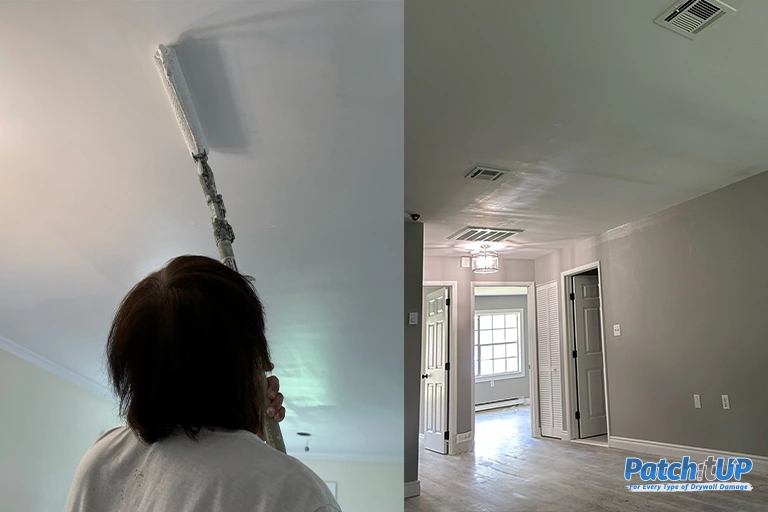
Paint appears different on Ceilings vs. Walls because each surface interacts with light, texture, finish, and viewing angle in unique ways. Ceilings receive softer, indirect, and scattered light since light fixtures and natural sunlight rarely hit them directly. This diffused lighting makes colours look paler, duller, or slightly shadowed. Walls, in contrast, get both direct sunlight and strong artificial lighting, which makes paint colours look sharper, brighter, and more vibrant.
Surface texture also plays a major role. Many ceilings have a matte or lightly textured surface designed to hide imperfections, but this texture absorbs light and makes the paint look darker or more muted. Walls are typically smoother, so they reflect more light, showing the true richness and clarity of the color. This is why understanding Ceilings vs. Walls is important before choosing paint.
Paint finishes create another layer of difference. Ceilings are usually painted with flat paint because it hides marks and reduces glare, but this finish can soften or flatten the colour. Walls often use satin, eggshell, or matte finishes that add depth, smoothness, and a slight sheen, helping the colour appear stronger. Additionally, the viewing angle affects perception. We look at ceilings from a distance and from below, while walls are viewed directly at eye level, making the same paint colour appear different on each surface.
Why Paint Looks Different:
- Lighting differences: Ceilings get diffused, indirect light that softens color, while walls receive direct natural and artificial light that brightens color.
- Surface texture: Ceilings often have more texture, which absorbs light and makes paint look darker or less vibrant; walls are smoother and reflect light better.
- Paint finish: Ceilings typically use flat paint that dulls color slightly; walls use satin, eggshell, or matte finishes that enhance color depth and appearance.
- Viewing angle: Ceilings are seen from below, making shadows more visible; walls are viewed straight on, giving a clearer color impression.
Understanding these Ceilings vs. Walls differences helps you avoid unexpected color changes.
To achieve the right color on both ceilings and walls, it’s important to plan carefully before painting. Start by testing sample patches directly on both surfaces because colors can shift dramatically depending on the light and time of day. Using paint formulated specifically for ceilings helps avoid streaks, patchiness, and glare, creating a more even and consistent finish.
It also helps to choose the correct finish: flat for ceilings to hide imperfections and low-sheen options like satin or eggshell for walls to enhance color and make the space feel brighter and more polished. Consider the lighting in the room, including natural daylight and the type of bulbs you use, because warm or cool lights can change how the color appears throughout the day.
If you want a cohesive and balanced look, choose a ceiling color that is one or two shades lighter than your wall color. This prevents the ceiling from looking heavy and helps the room feel more open and spacious. Taking these steps ensures the paint looks consistent and intentional, creating a well-coordinated and visually pleasing result.
How to Get It Right:
- Test color samples on both the ceiling and the wall to compare results.
- Use ceiling-specific paint to avoid streaks and achieve an even finish.
- Choose flat paint for ceilings and satin or eggshell finishes for walls.
- Check the paint under different lighting conditions throughout the day.
- Pick a lighter shade for the ceiling to keep the room bright and balanced.
Final Thoughts:
In conclusion, paint looks different on Ceilings vs. Walls because each surface reacts to light, texture, finish, and viewing angle differently. Understanding these differences helps you choose the right shades, test colours correctly, and select the correct finishes. When you plan carefully—using ceiling-specific paint, testing samples, and choosing lighter tones—you can achieve a balanced, cohesive, and visually appealing room.
When you plan carefully—by checking samples in real lighting, using ceiling-specific paint, and choosing slightly lighter tones for ceilings—you can create a balanced, cohesive, and visually pleasing room. With the right approach, you avoid unexpected color changes and ensure your ceilings and walls work together to enhance the overall look and feel of your home.
FAQ: Why Paint Looks Different on Ceilings vs. Walls :
- What makes ceiling paint different than wall paint?
Ceiling paint is thicker, has a flat finish, and is made to reduce drips and hide imperfections, while wall paint is smoother and comes in different sheens.
- Why does paint color look different on different walls?
Lighting, shadows, wall direction, and surface texture make the same color look lighter, darker, or brighter on different walls.
- Should ceiling paint be different color than walls?
Yes, most people use a lighter shade or plain white on ceilings to make the room feel brighter and more open.
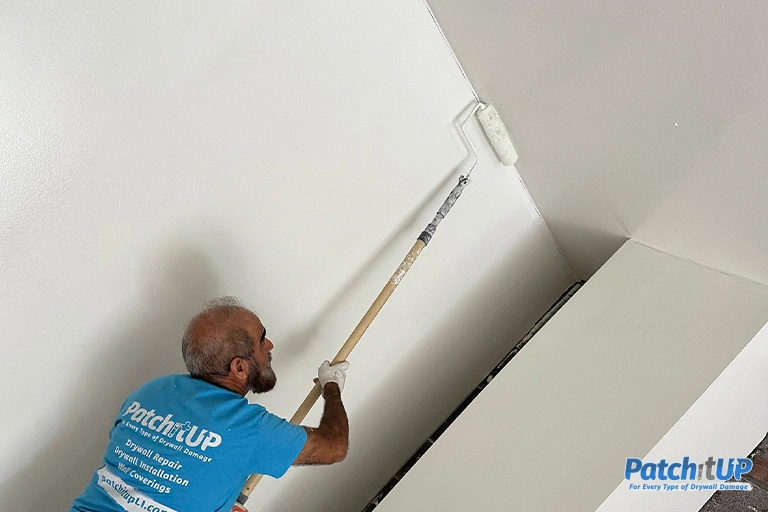
- How to paint neatly between walls and ceilings?
Use painter’s tape, a steady angled brush, and paint slowly along the edge to keep the line clean and sharp. - Why do paint colors look different on Ceilings vs. Walls?
Because ceilings get indirect, diffused light while walls receive direct natural and artificial light, the same colour appears different.
