You replaced your old windows expecting a warmer, more comfortable room. But even after upgrades, you still have a drafty room after new windows. The cold air remains, especially near walls and corners. This is frustrating, but the real issue is often not the windows—it’s hidden inside your walls and insulation.
Let’s understand why your drafty room after new windows problem is still happening.
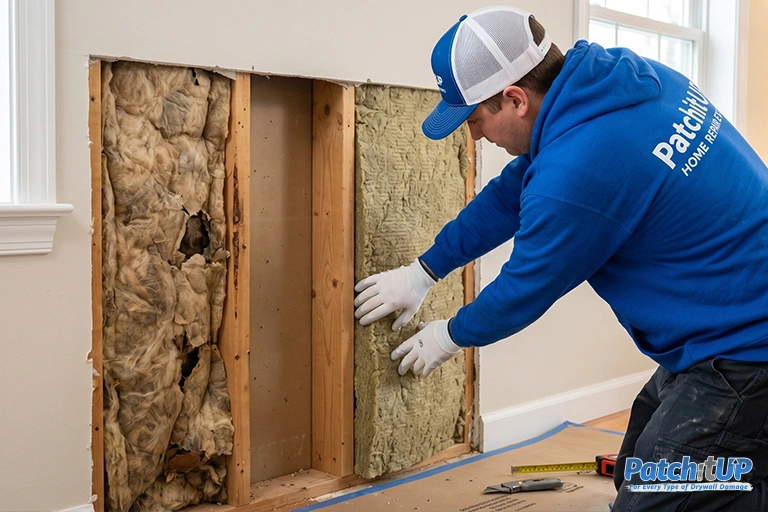
1. Poor Wall Insulation
Even with new, energy-efficient windows, your room can feel cold if the walls are not properly insulated. Insulation works like a barrier that keeps warm air inside and cold air outside.
If your home has:
- Old or damaged insulation
- Thin insulation
- Gaps inside walls
then cold air can easily enter. This creates a constant draft feeling, especially in winter.
Many homeowners focus only on windows and ignore wall insulation problems, which is why the issue continues. This is where services from PatchitUP can help identify insulation gaps and fix them effectively without unnecessary major renovations.
2. Air Leaks Inside Walls
Sometimes, the draft is not from the window itself but from tiny openings in the wall structure.Even if you have new windows, a drafty room after new windows can happen due to small cracks around outlets, pipes, or baseboards. These hidden air paths allow cold air to flow into your room. These can be:
- Cracks around electrical outlets
- Gaps near baseboards
- Openings around pipes or wiring
Air travels through these hidden paths and enters your room. Even small leaks can make a big difference in how your room feels.
Professional inspection is important here. A service professional from PatchitUP can detect these hidden air leaks and seal them properly, improving overall comfort.
3. Improper Window Installation
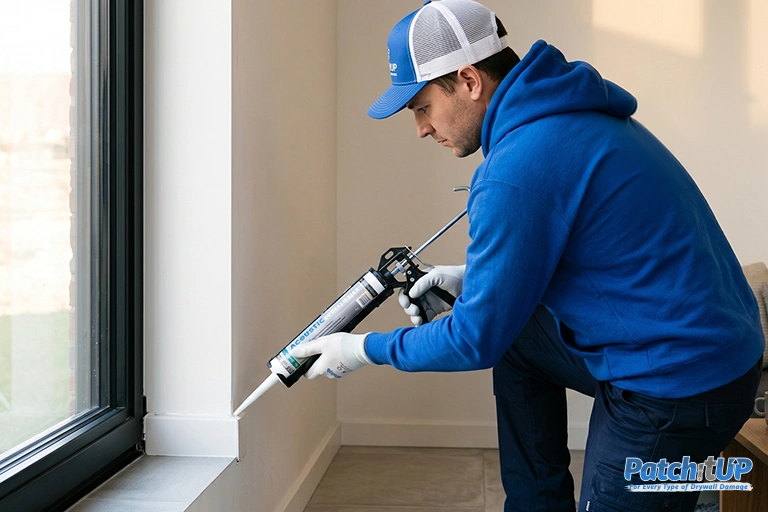
Sometimes a drafty room after new windows occurs because the installation was not sealed properly. Even new windows can cause drafts if they are not installed correctly. Common issues include:
- Gaps between the window frame and wall
- Poor sealing or caulking
- Missing insulation around the frame
So, while the window itself may be high quality, poor installation can still allow cold air in.
Fixing this requires proper sealing and finishing work. PatchitUP can help correct these installation gaps and ensure your windows perform as expected.
4. Thermal Bridging in Walls
Another cause of a drafty room after new windows is thermal bridging. Heat escapes through wall materials like studs or metal parts, making rooms feel colder even when insulation exists. Thermal bridging happens when heat escapes through materials that conduct temperature easily, like wood studs or metal parts inside walls.
This means:
- Heat leaves your room faster
- Cold spots form near walls
- The room feels unevenly heated
Even if insulation is present, thermal bridging can reduce its effectiveness. Addressing this issue often requires targeted wall repairs and insulation upgrades.
5. Old or Damaged Drywall
Drywall may look fine on the outside, but inside it can have cracks, holes, or weak spots. These allow air to pass through easily.
Signs include:
- Cold spots on walls
- Slight air movement near surfaces
- Visible cracks or nail pops
Repairing drywall and sealing gaps can make a noticeable difference. PatchitUP offers drywall repair and sealing services that help eliminate these hidden draft sources. Cracks or weak spots in drywall can also cause a drafty room after new windows are installed. These openings allow air to move and reduce room-temperature comfort.
6. Gaps in Attic or Ceiling Areas
Sometimes the draft is not from the walls but from above. Poor attic insulation or ceiling gaps can allow cold air to travel down into your room.
This is common in:
- Older homes
- Homes with unfinished attics
- Properties with poor maintenance
Fixing ceiling insulation and sealing gaps can improve room temperature quickly.
7. HVAC Imbalance
Your heating system also plays a role. If your HVAC system is not distributing warm air properly, some rooms may feel colder than others.
This can happen due to:
- Blocked vents
- Poor duct design
- Leaky ducts
While this is not directly a wall issue, it can add to the drafty feeling.
How to Fix the Problem
To truly solve a drafty room after installing new windows, you need to look beyond the glass. The key is a full inspection of walls, insulation, and hidden air leaks.
Here’s what helps:
- Seal all wall gaps and cracks
- Upgrade or repair insulation
- Fix window installation gaps
- Repair damaged drywall
- Check attic and ceiling insulation
Getting professional help can save time and prevent repeated fixes. PatchitUP provides practical solutions for wall repair, insulation fixes, and air sealing, helping improve comfort without major construction work.
Final Thoughts
New windows are only one part of making your home energy-efficient. If your room still feels drafty, the real problem is often hidden inside the walls or insulation.
By identifying and fixing these issues, you can:
- Keep your room warmer
- Reduce energy bills
- Improve overall comfort
Instead of guessing the problem, it’s better to address the root cause. Professional services from PatchitUP can help you identify and fix these hidden issues, so your home feels the way it should after you upgrade your windows. PatchitUP specializes in identifying and fixing the root causes of a drafty room after new windows, helping improve comfort and energy efficiency.
FAQ for Why Your Room Still Feels Drafty After New Windows
Why do I still have a drafty room after new windows?
A. Usually due to insulation gaps, air leaks, or poor sealing around walls.
How to fix a drafty room?
A. Seal wall cracks, fix insulation gaps, repair drywall, and check window sealing.
How do I stop cold air from coming through my windows?
A. Use caulking, weatherstripping, or foam insulation around the window edges.
Why is my house so cold even with cavity wall insulation?
A. Insulation may be old, uneven, or have gaps, allowing cold air to still enter.