Many homeowners feel happy after finishing a wall repair, but the next day, when sunlight hits the wall, the repair suddenly looks uneven, patchy, or very noticeable. This is a common problem in drywall repair and wall patch repair, especially when repairs are done quickly or without proper finishing steps. In this guide, you will learn why this happens and what you can do to fix it the right way.
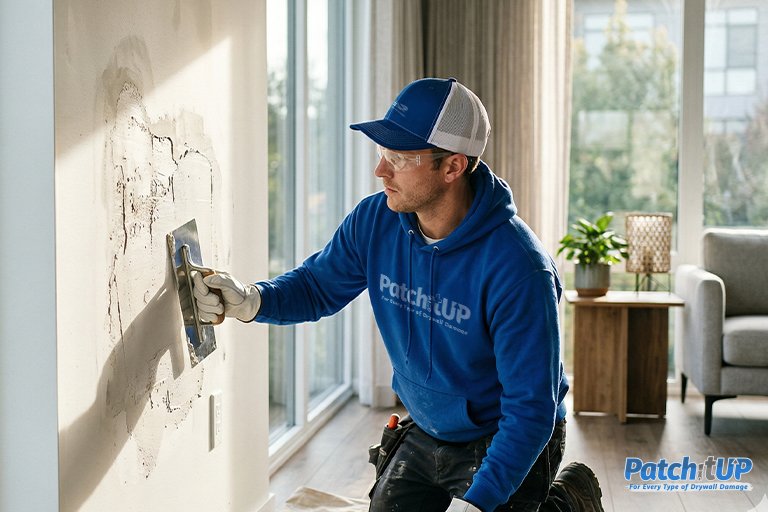
Why Wall Repairs Look Worse in Daylight
Daylight is stronger and more natural than indoor lighting. It highlights even the smallest surface problems. A repair that looked smooth at night can appear uneven in the morning.
Here are the main reasons this happens.
1. Natural Light Shows Surface Imperfections Clearly
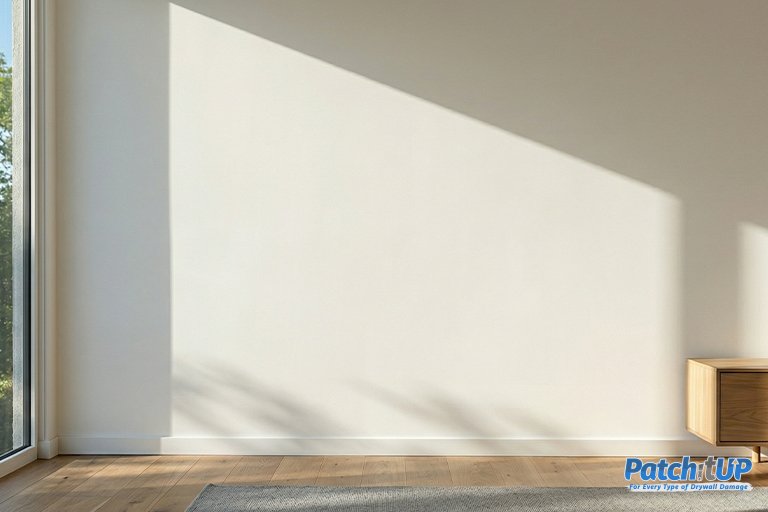
Sunlight comes from the side through windows and creates shadows on your wall. These shadows make bumps, dents, or sanding marks easier to see. This effect is called side lighting, and it often reveals problems in drywall patch repair that indoor lights hide.
2. Uneven Sanding After Wall Repair
If the repaired area was not sanded smoothly, the patch becomes visible in daylight. Even small sanding mistakes can create rough spots that show clearly when sunlight hits the wall.
Professional wall repair services usually include multiple sanding steps to make sure the surface blends smoothly with the rest of the wall.
3. Paint Texture Does Not Match the Wall
Sometimes the repaired section has a slightly different paint texture compared to the original wall. This difference becomes very noticeable during the day.
This is common in:
- ceiling patch repair
- drywall hole repair
- dent repair in walls
- crack repair areas
Matching texture correctly is an important step in professional finishing.
4. Incorrect Paint Finish Was Used
Paint finish matters more than many homeowners expect. If the wall uses matte paint but the repaired area uses semi-gloss paint, the patch becomes visible immediately in daylight.
Even when the paint color matches, the shine level can make the repair stand out.
5. Primer Was Not Applied Properly
Primer helps paint stick evenly to the repaired surface. Without primer, the patched area absorbs paint differently than the rest of the wall. This creates visible marks when sunlight hits the surface.
Good drywall repair services always include proper priming before painting.
6. The Wall Surface Was Not Fully Leveled
Sometimes the repair area is slightly raised or slightly lower than the surrounding wall. This small difference becomes very clear in daylight.
Professional technicians carefully level the surface before painting so the repair blends naturally.
Common Areas Where Daylight Reveals Wall Repair Problems
Daylight usually exposes repairs more clearly in certain places such as:
- living room walls near windows
- hallway walls with long light angles
- ceilings with natural skylight exposure
- bedroom walls facing direct sunlight
These areas require extra care during drywall hole repair and finishing.
How to Fix Wall Repairs That Look Worse in Daylight
If your wall repair becomes visible during the day, do not worry. There are simple solutions.
Sand the Area Again
Light sanding can remove rough edges and help the repaired section blend better.
Apply Primer Before Repainting
Primer creates an even base for paint and prevents patch marks from showing.
Match the Paint Finish Carefully
Always use the same paint finish as the original wall surface.
Improve Texture Matching
Texture matching is one of the most important steps in professional wall patch repair.
If these steps feel difficult, a professional repair team like PatchitUP can help restore the wall surface so the repair becomes almost invisible even in strong daylight.
Why Professional Wall Repair Makes a Big Difference
Many DIY repairs look fine at first but become visible later in daylight. This usually happens because small finishing steps were missed.
Professional technicians focus on:
- smooth surface leveling
- correct sanding methods
- proper primer application
- exact paint texture matching
- clean final finishing
Services from PatchitUP are designed to fix these issues carefully so your walls look smooth both at night and during the day.
When You Should Consider Expert Help
You may need professional help if:
- patch marks are still visible after repainting
- sanding made the area worse
- paint shade looks uneven
- multiple repair spots are visible across the wall
In these situations, experienced technicians from PatchitUP can inspect the surface and correct the repair using proper drywall finishing techniques.
Tips to Prevent Visible Wall Repairs in the Future
Here are some simple ways to avoid this problem next time:
- always apply primer before painting
- sand the repaired area properly
- match paint finish carefully
- check repairs in daylight before final painting
- use professional help for large repairs
Working with experts like PatchitUP ensures your drywall repair blends smoothly with the rest of the wall and stays invisible even under strong natural light.
Final Thoughts
It is normal for a wall repair to look different in daylight if the surface was not fully leveled, sanded, primed, or painted correctly. Natural light easily reveals small imperfections that indoor lighting hides. With proper sanding, texture matching, and correct paint finishing, these issues can be fixed easily. If the repair still stands out, professional wall repair services like PatchitUP can help restore your wall to a smooth and clean finish that looks natural at any time of day.
FAQ for Why Does My Wall Repair Look Worse in Daylight?
How to hide imperfections on walls?
A. Sand the surface smoothly, apply primer, use matching paint, and choose matte finishes to reduce visibility. Professional wall repair services like PatchitUP can help blend patches properly.
How to fix a badly damaged wall?
A. Remove loose material, fill holes with joint compound, sand the area flat, apply primer, and repaint. Large damage may need professional drywall repair.
What are common drywall patching mistakes?
A. Poor sanding, skipping primer, using the wrong paint finish, uneven patching, and not matching wall texture are common mistakes.
What does a bad drywall job look like?
A. It may show bumps, visible patch marks, uneven texture, paint shade differences, or lines that become more noticeable in daylight.