


Spray Foam vs Batt Insulation: Choosing the right insulation for your home is important for comfort, energy savings, and long-term value. Two of the most common options are Spray Foam Insulation and Batt Insulation. Each type has its own benefits, costs, and performance levels. In this guide, we explain the key differences in simple language so you can make the right choice for your home.
What Is Spray Foam Insulation?
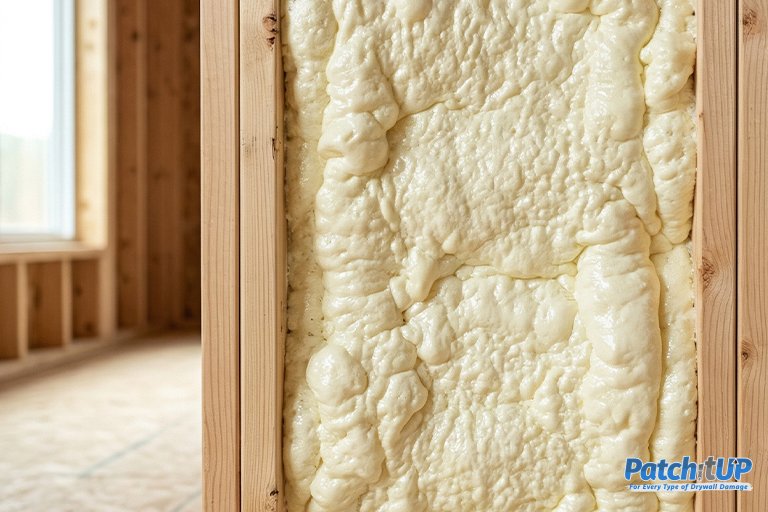
Spray Foam Insulation is a liquid material that expands after it is sprayed into walls, ceilings, or crawl spaces. It fills gaps and cracks, creating a strong air seal. This makes it one of the most energy‑efficient insulation options available today.
There are two main types:
- Open‑Cell Spray Foam – softer and lighter, good for indoor walls
- Closed‑Cell Spray Foam – stronger and more moisture‑resistant, ideal for basements and exterior walls
Because it expands after installation, it seals small openings where air can leak. This helps improve indoor comfort and reduce energy bills.
What Is Batt Insulation?
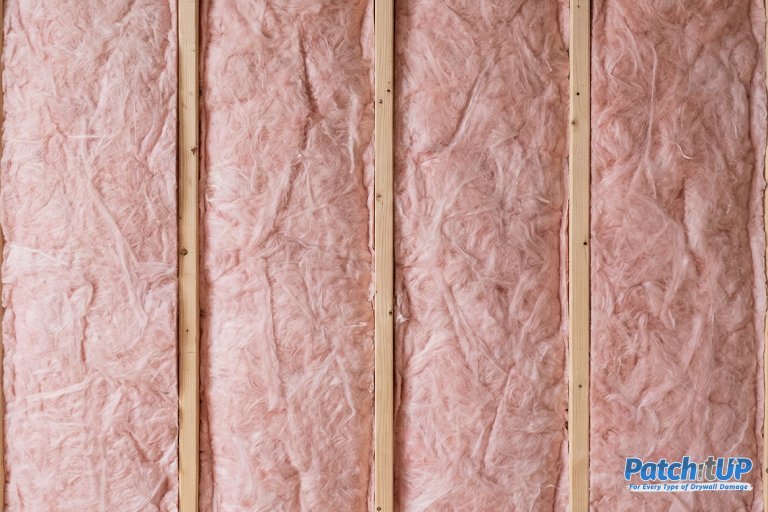
Batt Insulation is made from fiberglass or mineral wool. It comes in pre‑cut panels that fit between wall studs, ceiling joists, and floor spaces. It is one of the most common and affordable insulation types used in homes.
Fiberglass Batt Insulation is easy to install and works well in standard wall spaces. It helps slow down heat transfer but does not seal air gaps as effectively as spray foam.
Cost Comparison: Spray Foam vs Batt Insulation
One of the biggest differences between these two insulation types is cost.
Batt Insulation is usually much cheaper to install. It is a good option for homeowners working with a limited budget.
Spray Foam Insulation costs more at the start. However, it often saves more money over time because it reduces energy loss and improves heating and cooling efficiency.
If you are planning a long‑term upgrade, Energy‑Efficient Insulation like spray foam can provide better value over time.
Professional installation also plays an important role in performance. Our experienced teams at PatchitUP help ensure insulation is installed correctly so homeowners get the best results from their investment.
Energy Efficiency and Performance
When comparing Spray Foam vs Batt Insulation, energy efficiency is one of the most important factors.
Spray Foam Insulation creates an air‑tight seal that reduces drafts and keeps indoor temperatures stable. This makes it one of the best options for improving overall Home Energy Efficiency.
Batt Insulation slows heat movement but does not block airflow completely. Small gaps may remain after installation, which can reduce performance.
Because of this difference, spray foam is often better for homes that need stronger temperature control and lower utility bills.
Working with trained insulation professionals at PatchitUP helps ensure that even traditional batt insulation performs at its best without gaps or installation mistakes.
Moisture Resistance and Durability
Moisture protection is another important factor when choosing insulation.
Closed‑Cell Spray Foam works as both insulation and a moisture barrier. It helps protect walls from mold growth and water damage. It is especially useful in basements, crawl spaces, and exterior walls.
Batt Insulation can absorb moisture if not protected properly. Wet insulation loses effectiveness and may need replacement over time.
Choosing the right insulation for moisture‑prone areas is important for maintaining indoor air quality and long‑term building safety.
Installation Process
The installation process is different for both insulation types.
Batt Insulation Installation is faster and simpler. It can often be completed in a short time, especially in open wall areas.
Spray Foam Installation requires specialized equipment and trained professionals. It expands after application and fills gaps completely, creating a strong air barrier.
Hiring experienced installers from PatchitUP helps ensure the insulation is applied safely and evenly for the best possible performance.
Comfort and Noise Reduction
Both insulation types improve indoor comfort, but they work in different ways.
Spray Foam Insulation helps maintain stable indoor temperatures and reduces outside air entry.
Batt Insulation provides good sound control between rooms and floors. It is often used in interior walls for noise reduction.
Choosing the right insulation depends on whether your main goal is energy savings, sound control, or moisture protection.
Best Areas to Use Spray Foam vs Batt Insulation
Each insulation type works better in different parts of a home.
Best areas for Spray Foam Insulation:
- Attics
- Basements
- Crawl spaces
- Exterior walls
- Areas with air leaks
Best areas for Batt Insulation:
- Interior walls
- Standard wall cavities
- Floors between levels
- Budget‑friendly renovation projects
Selecting the correct insulation for each space improves overall Home Insulation Performance and comfort.
Which Insulation Option Is Right for You?
Choosing between Spray Foam Insulation and Batt Insulation depends on your budget, home structure, and long‑term goals.
If you want maximum energy savings and moisture protection, spray foam is often the better choice.
If you want a cost‑effective insulation solution for standard wall spaces, batt insulation works well.
For homeowners unsure which insulation type fits their needs, professional guidance from PatchitUP can help identify the best solution based on the structure of the home and insulation goals.
Final Thoughts
Both Spray Foam Insulation and Batt Insulation are effective options when installed correctly. Spray foam provides stronger sealing and energy savings, while batt insulation offers a budget‑friendly solution for many standard applications.
Working with insulation specialists like PatchitUP helps ensure proper installation, improved Energy Efficiency, and long‑lasting comfort throughout your home.
FAQ for Spray Foam vs Batt Insulation: Cost, Efficiency & Performance Compared! :
Which insulation is better: spray foam or batt insulation?
Spray foam insulation is better for energy savings and sealing air leaks, while batt insulation is better for budget-friendly projects.
Is spray foam insulation worth the higher cost?
A. Yes. Spray foam insulation costs more at first but helps lower energy bills over time.
Where should batt insulation be used in a home?
A. Batt insulation works best in interior walls, floors between levels, and standard wall cavities.
Does spray foam insulation last longer than batt insulation?
A. Yes. Spray foam insulation lasts longer and keeps its performance better than fibreglass batt insulation.
Can professionals like PatchitUP help choose the right insulation?
A. Yes. Experts like PatchitUP can inspect your home and recommend the best home insulation solution for comfort and efficiency.
