As more homeowners become aware of the importance of sustainability, eco-friendly construction materials are becoming a key focus in home design and renovation. One such material gaining attention is green drywall.
Traditional drywall may be cost-effective and easy to install, but it often comes with environmental drawbacks, including high energy consumption during production and limited recyclability. Green drywall, on the other hand, offers a more sustainable solution—reducing waste, improving indoor air quality, and supporting long-term energy efficiency.
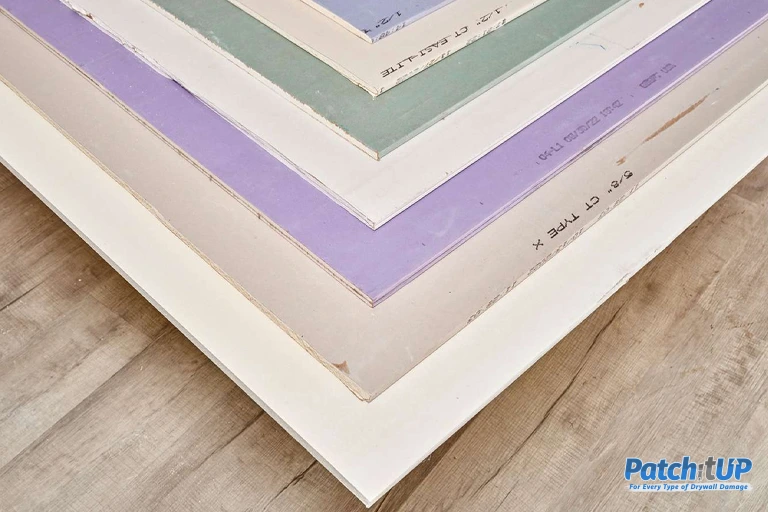
Green drywall refers to a range of environmentally responsible wallboard products designed to minimize ecological impact. It is typically made from recycled, renewable, or low-emission materials that promote both environmental sustainability and occupant health. Unlike standard drywall, which can emit volatile organic compounds (VOCs) and contribute to landfill waste, green drywall aims to balance performance with environmental protection.
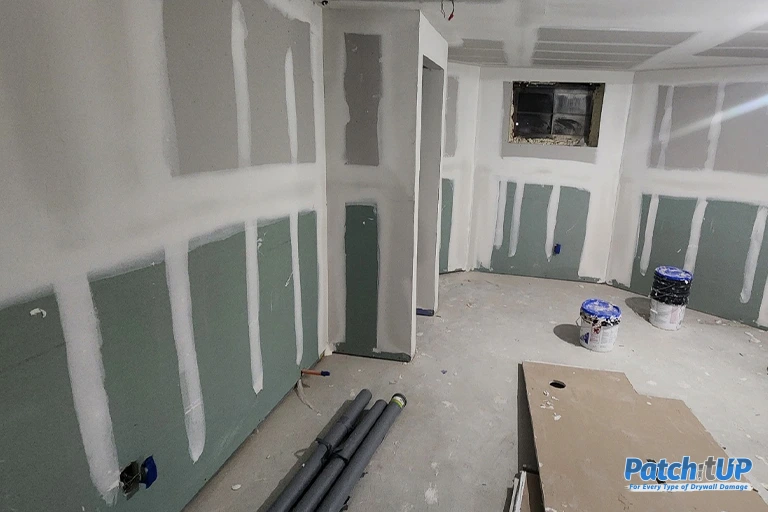
What Is Green Drywall?
Many eco-friendly drywall products use alternative sources for gypsum—such as synthetic gypsum derived from industrial byproducts—or replace paper facings with fiberglass to resist mold growth. These innovations make green drywall a healthier, more durable, and environmentally sound option for residential and commercial spaces.
Types of Eco-Friendly Drywall
- Recycled Drywall:
This type of drywall incorporates a high percentage of recycled materials from manufacturing and construction waste. Both the gypsum core and paper facings are often sourced from recycled content, significantly reducing landfill waste and conserving natural gypsum deposits.
- Paperless Drywall:
Instead of the traditional paper facing, paperless drywall uses fiberglass mats, which make it more resistant to moisture, mold, and mildew. This not only improves indoor air quality but also extends the life of the wallboard, reducing the need for replacements and minimizing long-term waste.
- Low-VOC Drywall:
Volatile organic compounds (VOCs) are chemicals that can be released into the air from building materials, contributing to indoor air pollution. Low-VOC drywall emits very few of these compounds, creating a safer and healthier environment—especially important for homes with children, seniors, or individuals with allergies or asthma.
- Synthetic Gypsum Board:
Also known as FGD (Flue-Gas Desulfurization) gypsum board, this option is made from synthetic gypsum produced as a byproduct of industrial processes, such as cleaning emissions from coal-fired power plants. This recycling process prevents millions of tons of waste from entering landfills while conserving natural resources.
- Moisture-Resistant or Mold-Resistant Drywall:
Commonly referred to as “green board,” this type of drywall is ideal for humid areas like bathrooms, laundry rooms, and basements. It features a special coating that prevents water absorption and mold growth, contributing to a healthier home environment and reducing maintenance needs over time.
Environmental Benefits of Green Drywall
- Reduced Carbon Footprint: Eco-friendly drywall manufacturing often requires less energy and produces fewer greenhouse gas emissions compared to conventional gypsum board production.
- Waste Reduction: The use of recycled and synthetic materials helps minimize waste from both construction and industrial processes.
- Sustainable Resource Use: By using recycled gypsum or renewable materials, green drywall reduces the strain on natural gypsum quarries.
- Better Indoor Air Quality: Low-emission products ensure fewer pollutants and allergens indoors, promoting a healthier living space.
- Longer Lifespan: Mold-resistant and durable materials reduce the frequency of replacements, which saves resources and money in the long run.
Health and Home Advantages
Beyond environmental benefits, green drywall plays a major role in improving the overall comfort and health of your living environment. Homes built or renovated using eco-friendly drywall experience fewer issues with air pollution, mold, and humidity. Paperless or low-VOC variants prevent respiratory irritation and allergy flare-ups, making them a smart choice for families with health sensitivities.
Additionally, because many green drywall options are designed to resist deterioration, they maintain structural integrity and aesthetic appeal for years.
Choosing the Right Green Drywall
Selecting the right type of green drywall depends on your home’s specific requirements. Here are a few things to consider:
- Check for Certifications: Look for GREENGUARD, LEED, or Green Seal certifications, which indicate that the product meets environmental and health safety standards.
- Evaluate Moisture Levels: For humid spaces, such as bathrooms or basements, moisture-resistant drywall is best.
- Assess Air Quality Needs: In bedrooms and living areas, low-VOC or paperless drywall can help maintain cleaner air.
- Consider Local Availability: Choosing locally manufactured drywall reduces transportation emissions and supports regional sustainability efforts.
- Compare Brands and Materials: Some companies offer drywall made entirely from synthetic gypsum or high recycled content; compare options to find one that suits your budget and goals.
Final Thoughts:
Green drywall represents a forward-thinking step toward sustainable homebuilding. It combines strength, safety, and eco-conscious design, helping homeowners reduce environmental impact while creating healthier living spaces.
Whether you are constructing a new home or renovating an existing one, opting for eco-friendly drywall can lead to long-term savings, improved indoor air quality, and a smaller carbon footprint. Investing in green drywall is not just a choice for your home—it’s a choice for a cleaner, healthier planet.
FAQ For Green Drywall: Eco-Friendly Options Every Homeowner Should Consider:
- What is eco-friendly?
A. Eco-friendly means something that doesn’t harm the environment. It helps reduce pollution, saves energy, and supports a sustainable lifestyle.
- What is green colored drywall used for?
A. Green-colored drywall, also called green board, is used in areas with high moisture like bathrooms and basements because it resists mold and mildew.
- What are 10 ways to go green?
A. Save energy, use LED bulbs, recycle, reduce water waste, use public transport, avoid plastic, plant trees, buy local, compost waste, and use renewable energy.
- What is the most eco-friendly material to build a house?
A. Bamboo, recycled steel, rammed earth, reclaimed wood, and straw bales are among the most eco-friendly and sustainable building materials.
Related Post:
- Luxury Wall Finishes: Drywall Textures That Add Value to Your Home!
- From Drafty to Cosy: How Proper Drywall Sealing Saves Energy!
- Flood-Proof Walls: Drywall Solutions for Water-Prone Homes!