Have you ever noticed that one wall in your home always feels colder than the others? A cold wall in house is a common issue, especially during winter months. It can make rooms uncomfortable, increase heating costs, and sometimes indicate hidden damage inside the wall.
In many cases, a cold wall in house is caused by poor insulation, air leaks, moisture, or damaged drywall. Professional repair services from PatchitUP can help homeowners identify and repair these problems before they become more serious.
Common Reasons Why One Wall Feels Cold
Poor Insulation
One of the main causes of a cold wall in house is weak or missing insulation. Insulation helps keep warm air inside your home. When insulation becomes old or damaged, cold air can easily pass through the wall.
This issue is common in:
- Older homes
- Basement walls
- Exterior-facing walls
- Rooms above garages
Air Leaks and Drafts
Small gaps around windows, doors, or wall edges can allow cold air to enter your home. These air leaks often create cold spots and uneven temperatures throughout the house.
Signs include:
- Drafts near windows
- Higher heating bills
- Cold areas in certain rooms
Repairing damaged drywall and sealing gaps can improve comfort and energy efficiency. PatchitUP offers professional wall repair services to help solve these problems.
Moisture Problems Inside Walls
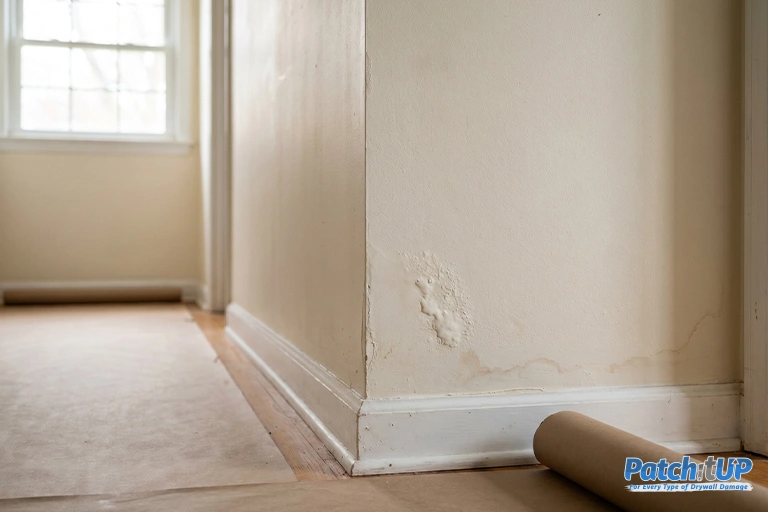
A damp wall problem can also create a cold wall in house. Water from leaking pipes, roof damage, or condensation reduces insulation performance and may even lead to mold growth.
Common warning signs include:
- Peeling paint
- Water stains
- Musty smells
- Soft drywall
Fixing moisture damage early helps prevent expensive structural repairs later.
Cracks and Structural Damage
Small cracks in drywall or walls can let outside air enter your home. Over time, these cracks may grow due to temperature changes or moisture issues.
Repairing cracks quickly can help prevent a cold wall in the house while protecting your drywall from further damage. Services from PatchitUP can restore damaged walls and improve indoor comfort.
How to Fix a Cold Wall
Depending on the cause, solutions Depending on the cause, solutions may include:
- Adding better insulation
- Sealing air leaks
- Repairing water damage
- Fixing drywall cracks
- Improving ventilation
These repairs can make your home warmer, more energy efficient, and reduce utility bills. Addressing a cold wall in house early can also help prevent long-term structural problems.
Final Thoughts
An exterior wall may feel cold for several reasons, including insulation issues, drafts, moisture, or wall damage. While it may seem minor, ignoring the problem can lead to mold, higher heating costs, and damaged drywall over time.
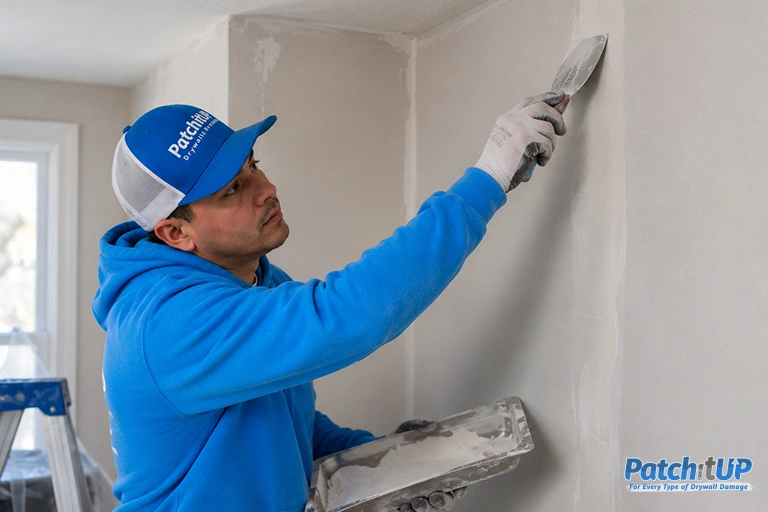
Regular inspections and timely repairs can keep your home comfortable and energy efficient. If you are dealing with a cold wall in house, PatchitUP can provide reliable repair solutions to restore your space.
FAQ for Why One Wall in Your House Always Feels Colder Than the Rest! :
Why is one side of my house colder than the other?
A. One side may get less sunlight, have poor insulation, air leaks, or weak airflow from your HVAC system.
Why do the walls in my house feel cold?
A. Cold walls are usually caused by poor insulation, moisture inside the wall, or outside air leaking through cracks.
How to stop your walls from being cold?
A. Add insulation, seal gaps and cracks, use curtains, and check for moisture or damaged drywall.
How to fix uneven cooling in the house?
A. Clean air vents, balance airflow, seal leaks, check insulation, and have your HVAC system inspected if needed.