When people think about improving home energy efficiency, they often focus on insulation, windows, or HVAC systems. However, one critical factor that often goes unnoticed is drywall sealing. Properly sealed drywall acts as a hidden layer of protection that prevents air leaks, maintains indoor comfort, and reduces energy costs. A home that feels drafty can quickly become warm, cozy, and efficient with just this simple but effective upgrade.
Understanding Drywall Sealing
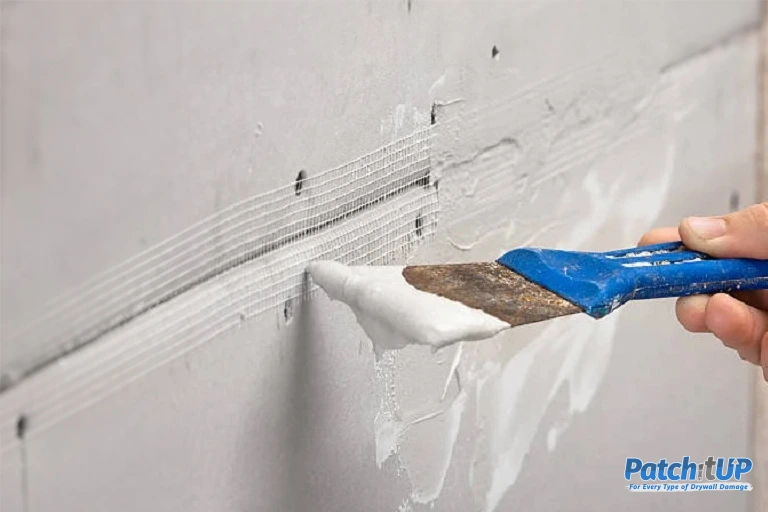
Drywall sealing is the process of closing every small gap, crack, and seam between drywall panels, along edges, and around fixtures such as electrical outlets, windows, and doors. These tiny spaces, though easy to ignore, allow conditioned air to escape and outside air to enter — creating drafts and temperature inconsistencies.
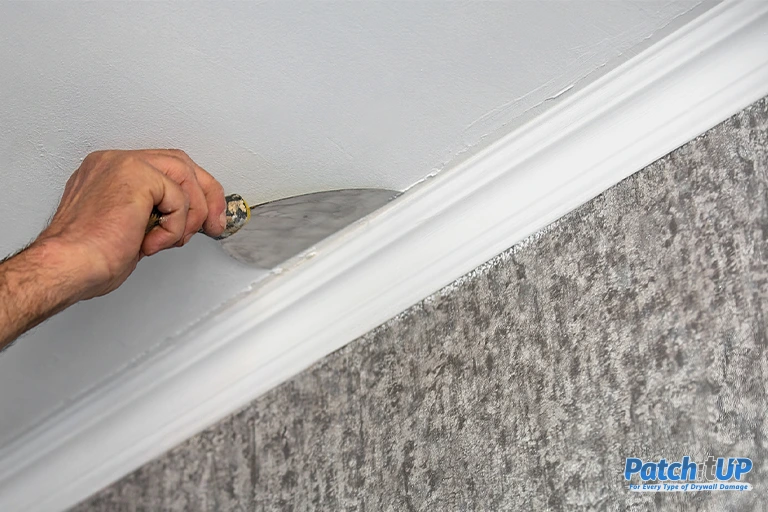
To fix this, sealants like joint compound, caulk, foam sealant, and drywall tape are used to cover and secure the joints tightly. Once sealed, the surface is sanded, primed, and painted, ensuring that no air or moisture can pass through. This process creates an airtight barrier that improves the home’s overall insulation and energy performance.
Why Drywall Sealing Is So Important
Even a well-insulated home can lose a surprising amount of energy through unsealed drywall joints and small openings. These leaks not only waste energy but also cause discomfort, uneven temperatures, and higher utility bills.
Here’s why drywall sealing matters:
- Prevents Air Leakage: Small gaps in walls can allow up to 30% of heated or cooled air to escape. Proper sealing locks in your conditioned air.
- Improves Insulation Efficiency: Insulation performs best when surrounded by airtight walls. Sealing helps insulation do its job effectively.
- Maintains Indoor Comfort: Sealed walls eliminate drafts, keeping every corner of your home consistently comfortable.
- Lowers Energy Consumption: With fewer leaks, your HVAC system runs less frequently, using less energy to maintain the same temperature.
- Protects Indoor Air Quality: Sealing prevents outdoor pollutants, allergens, and moisture from entering your living spaces.
The Energy-Saving Impact of Drywall Sealing
Energy efficiency experts often call drywall sealing a “hidden energy upgrade.” While you can’t see the difference once it’s finished, you’ll definitely feel it.
- During Winter: Cold drafts are blocked, and warm air stays trapped inside, reducing the need for constant heating.
- During Summer: Hot outdoor air can’t seep in, which means your air conditioner doesn’t have to work overtime.
- Year-Round: The reduced energy demand results in lower utility bills and a smaller carbon footprint.
In fact, sealing drywall in combination with good insulation can improve your home’s energy efficiency by up to 20% or more, depending on the existing level of air leakage.
Signs That Your Home Needs Drywall Sealing
If you experience any of the following, your drywall may have unsealed areas:
- Drafts near walls, outlets, or windows.
- Uneven room temperatures (some rooms too hot or cold).
- High heating or cooling bills despite moderate use.
- Cracks or gaps visible along drywall joints or corners.
- Dust or outdoor smells seeping into the house.
These signs indicate that air is escaping — and that your drywall isn’t doing its part to contain it.
Step-by-Step: The Drywall Sealing Process
1. Inspection and Detection
Professionals begin by identifying air leaks. They may use thermal cameras or smoke tests to locate invisible cracks and weak points.
2. Cleaning the Surface
Dust and debris are cleared from all joints, corners, and gaps. Clean surfaces help the sealant bond properly.
3. Applying Sealants
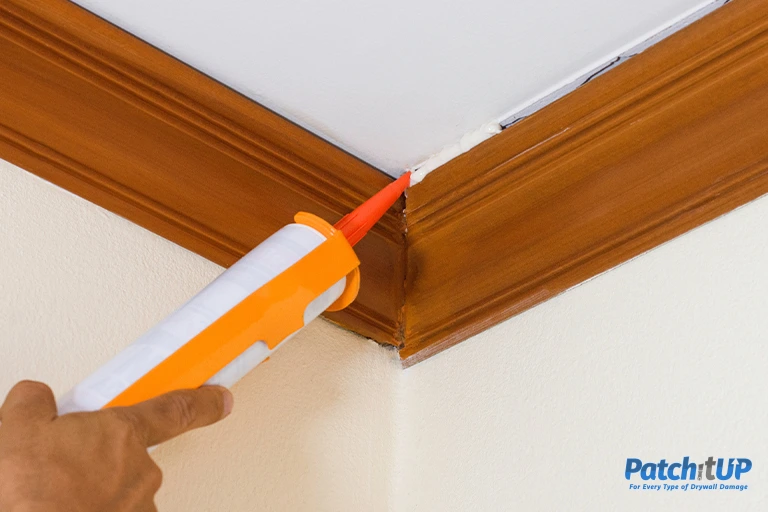
Technicians use the appropriate materials for each area — joint compound for seams, foam sealant for large gaps, and caulk for edges or around fixtures.
4. Reinforcing with Tape
Drywall tape is applied over joints to strengthen the seal and prevent future cracking.
5. Finishing and Painting
After the materials dry, the walls are sanded, primed, and painted, giving a smooth, professional finish that also locks in the seal.
Added Benefits Beyond Energy Savings
- Noise Reduction: Sealed walls block sound transmission, making your home quieter.
- Moisture Control: Prevents dampness and mold growth by keeping humidity out.
- Longer Wall Life: Reduced exposure to air and moisture extends drywall durability.
- Improved Resale Value: Buyers appreciate homes with strong energy efficiency and better comfort levels.
Complementary Steps to Boost Efficiency
To get the most out of drywall sealing, combine it with other simple upgrades:
- Use weatherstripping around windows and doors.
- Add foam gaskets behind switch plates and outlets.
- Seal gaps in attics, basements, and around pipes or vents.
- Ensure your HVAC system is regularly serviced.
These actions, along with drywall sealing, create a complete energy-saving system for your home.
Final Thoughts
Proper drywall sealing is one of the most effective yet affordable ways to make your home more energy-efficient and comfortable. It eliminates drafts, reduces energy bills, improves insulation, and helps maintain a stable indoor temperature all year long.
By paying attention to this often-overlooked detail, homeowners can transform a drafty house into a cozy, energy-smart home — one that stays warm in winter, cool in summer, and efficient every single day.
FAQ From Drafty to Cosy: How Proper Drywall Sealing Saves Energy!
- What are the benefits of air sealing?
A. Air sealing reduces drafts, improves indoor comfort, lowers energy bills, and helps your heating and cooling systems work more efficiently.
- Is drywall a good air barrier?
A. Yes, drywall can act as a good air barrier when all joints, seams, and edges are properly sealed to prevent air leaks.
- How much does drywall help with insulation?
A. Drywall itself doesn’t provide much insulation, but when sealed well, it supports insulation by stopping air movement that reduces its effectiveness.
- What are the disadvantages of using drywall?
A. Drywall can be easily damaged by impact or moisture, it’s heavy to install, and it may crack over time if not maintained properly.
Related Post:
- Flood-Proof Walls: Drywall Solutions for Water-Prone Homes!
- Cracks, Dings, and Dents: When Should You Worry About Wall Damage?
- New Homeowner? Here’s What You Need to Know About Drywall Maintenance!