


Drywall Innovations 2025: Drywall has always been an essential part of modern construction, but in 2025, it’s becoming wiser, stronger, and more sustainable. The latest innovations in drywall are transforming how walls perform, helping homeowners and builders prevent problems before they start. From moisture and mold resistance to built-in sensors that monitor wall health, these advancements make future buildings more durable, cost-effective, and eco-friendly.
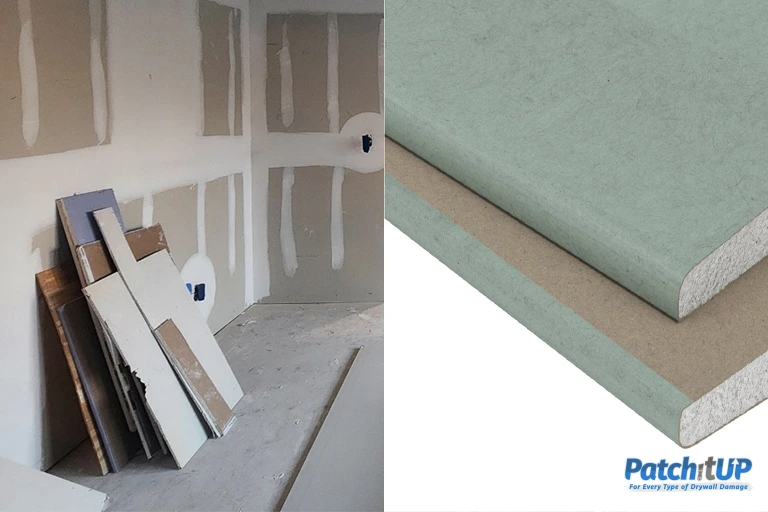
Drywall Innovations 2025: Smarter Materials to Stop Future Damage
1. Moisture and Mold Resistance
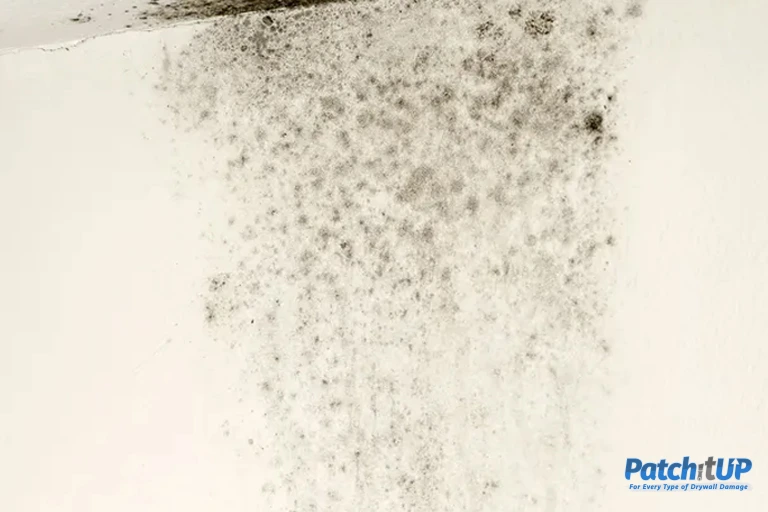
Moisture has long been one of drywall’s biggest enemies, leading to mold, mildew, and structural decay.
- Advanced Coatings and Additives: Modern drywall panels now come with special coatings that block moisture absorption and prevent mold growth.
- Antimicrobial Technology: Many 2025 models include antimicrobial layers that stop bacteria, fungi, and mold spores from developing, even in humid areas like bathrooms or basements.
- Improved Indoor Air Quality: These innovations contribute to a healthier living environment by minimizing the spread of allergens and harmful particles.
Example: New-generation boards like “green boards” or “purple drywall” are specially designed for high-humidity areas, ensuring long-lasting protection against water damage.
2. Impact-Resistant Drywall
Everyday wear and tear can easily dent or crack traditional drywall. The latest versions are built to last longer.
- Reinforced Core: Modern impact-resistant drywall uses a denser gypsum core or embedded fiberglass mesh for added toughness.
- Durability in Busy Spaces: Perfect for schools, offices, hospitals, or family homes where walls often face physical contact.
- Reduced Maintenance: Fewer cracks and dents mean fewer repairs, saving both time and cost over the years.
Example: Products like “Type X Impact-Resistant Boards” are designed to handle physical stress without breaking or chipping.
3. Fire-Resistant Innovations
Fire safety remains a top priority in construction, and 2025 brings major upgrades in this area.
- Enhanced Gypsum Formulation: New fire-rated boards are made with glass fibers and non-combustible materials that can withstand extreme heat.
- Slow Fire Spread: These panels can contain fire within sections, giving occupants more time to evacuate and firefighters more time to respond.
- Multi-Layer Protection: Some advanced boards also combine fire resistance with soundproofing or moisture protection for all-in-one performance.
Example: Fire-resistant drywall is now a standard choice for commercial buildings, high-rise apartments, and garages for better safety compliance.
4. Eco-Friendly and Sustainable Materials
As green building standards grow stronger, sustainability has become a key driver of drywall innovation.
- Recycled Content: Many brands now use recycled gypsum and paper to minimize environmental impact.
- Low-VOC Formulas: These products emit fewer volatile organic compounds, ensuring better indoor air quality.
- Energy Efficiency: Lightweight drywall reduces transportation energy and contributes to overall building efficiency.
Example: Eco-friendly drywall not only reduces waste but also meets LEED and other sustainability certification requirements for modern buildings.
5. Smart Drywall with Built-in Sensors
One of the most exciting developments in 2025 is smart drywall technology.
- Embedded Sensors: Some drywall panels now include built-in sensors that monitor humidity, temperature, and structural movement inside walls.
- Real-Time Alerts: The system can send alerts to homeowners or building managers if it detects leaks, moisture buildup, or unusual vibrations.
- Preventive Maintenance: This early-warning system helps stop serious damage before it occurs, saving thousands in future repairs.
Example: Smart walls are especially valuable in large buildings, where undetected leaks or cracks can lead to significant damage over time.
6. Self-Healing Drywall
A futuristic yet practical innovation is self-healing drywall, designed to repair minor damage automatically.
- Microcapsule Technology: The material contains small capsules filled with bonding agents that release when cracks form, sealing them instantly.
- Longer Wall Life: Reduces the need for patching and repainting, keeping interiors smooth and clean for years.
- Low Maintenance: Ideal for high-traffic environments where walls are frequently bumped or scratched.
Example: Self-healing drywall is expected to become mainstream in residential and commercial construction as costs become more affordable.
7. The Future of Drywall Construction
The evolution of drywall in 2025 shows how construction materials are merging with smart technology and environmental science. Builders and homeowners now have access to products that not only protect walls but also monitor, heal, and sustain them.
Key Benefits of Modern Drywall Innovations:
- Enhanced strength and resistance against impact, moisture, and fire.
- Lower maintenance costs and extended wall lifespan.
- Improved health and safety through mold prevention and air-quality control.
- Reduced environmental impact through recycled and low-VOC materials.
- Smart features that provide early warnings to prevent expensive repairs.
Final Thoughts:
In summary, drywall is no longer just a basic wall covering. It has evolved into a smart, sustainable, and protective building material that ensures long-term durability and efficiency. The drywall innovations of 2025 mark a major step toward creating safer, greener, and more intelligent living and working spaces for the future.
FAQ Drywall Innovations 2025: Smart Materials That Prevent Future Damage!
- Is drywall a sustainable material?
A. Modern drywall can be sustainable when made from recycled gypsum and low-VOC materials, reducing waste and environmental impact.
- What will replace drywall in the future?
A. Future materials may include smart panels, 3D-printed wall systems, and eco-friendly composites that are stronger and more durable than traditional drywall.
- What are the advantages of drywall?
A. Drywall is affordable, easy to install, fire-resistant, and provides a smooth surface for painting and finishing.
- What will replace drywall in the future?
A. Advanced smart wall panels, self-healing materials, and sustainable composites are expected to replace traditional drywall in modern construction.
Related Post :
